

Most beauty fans are surprised to learn that over 60 percent of american consumers now check brands’ sustainability credentials before buying skincare. This shift reflects a global movement where eco-conscious Millennials and Gen Z demand more from their routines, seeking not just glowing skin but mindful choices that connect wellness with real environmental impact. This article reveals how current innovations and common myths are shaping smarter, planet-friendly beauty habits you can trust.
Table of Contents
- Defining 2025 Skincare Innovations And Myths
- Types Of Skincare Innovation: From Ai To Biotech
- How Sustainability Is Shaping Skincare
- Personalization, Inclusivity, And Skinimalism Trends
- Risks, Costs, And Greenwashing In 2025 Skincare
- New Consumer Habits And Choosing The Right Products
Key Takeaways
| Point | Details |
|---|---|
| Emphasis on Longevity | Skincare in 2025 focuses on longevity cosmeceuticals, targeting age-related molecular factors rather than superficial claims. |
| Personalization is Key | Advanced AI and biotech enable precision skincare tailored to individual genetic profiles for optimal results. |
| Sustainability is Essential | Brands must integrate sustainable practices and transparency to meet growing consumer demand for eco-conscious products. |
| Consumer Savvy | Today’s consumers are highly informed and value-driven, expecting authenticity and efficacy in their skincare choices. |
Defining 2025 Skincare Innovations and Myths
The skincare landscape in 2025 represents a profound transformation beyond traditional beauty paradigms, emerging as a scientifically rigorous discipline focused on holistic wellness. Longevity cosmeceuticals are revolutionizing our understanding of skin health, moving far beyond superficial anti-aging claims toward molecular-level interventions.
Scientific research now confirms that effective skincare goes much deeper than surface treatments. Emerging research on longevity cosmeceuticals demonstrates that advanced formulations can target specific molecular hallmarks of aging, providing substantive improvements in skin function and viability. These innovations require comprehensive clinical validation, including detailed biomarker assessments that distinguish genuine scientific breakthroughs from marketing hyperbole.
Key myths being dismantled in 2025 skincare include the notion that expensive products automatically translate to superior results and the outdated belief that skincare is purely cosmetic. Modern approaches recognize skin health as an integral component of overall wellness, with sophisticated products designed to support cellular regeneration, protect against environmental stressors, and promote long-term skin resilience.
Pro tip: When evaluating skincare innovations, prioritize products with transparent scientific documentation and evidence-based claims rather than relying solely on marketing promises.
Types of Skincare Innovation: From AI to Biotech
The 2025 skincare landscape represents a groundbreaking convergence of cutting-edge technologies, where artificial intelligence, biotechnology, and personalized wellness intersect to create unprecedented solutions. Precision skincare is no longer a futuristic concept but a present-day reality transforming how we approach skin health and regeneration.
Advanced AI and genomics integration is revolutionizing personalized skincare by leveraging multi-omics tools to develop treatments tailored specifically to individual genetic profiles and lifestyle factors. These sophisticated algorithms analyze complex datasets to recommend interventions that go beyond traditional one-size-fits-all approaches, enabling truly customized skin wellness strategies.
Biotechnology is driving remarkable innovations in skincare formulations. Key advancements include plant-derived exosomes, biomimetic peptides, and fermentation-derived postbiotics that enhance skin repair mechanisms and support microbiome health. These scientifically developed ingredients represent a sustainable approach to skincare, focusing on cellular-level regeneration and long-term skin resilience. Personalized skincare strategies are now emerging as the gold standard, moving far beyond generic product recommendations.
Pro tip: Research and invest in skincare technologies that offer genetic profiling and personalized recommendations, as these represent the most advanced approach to individual skin wellness.
Here is a comparison of key 2025 skincare innovation categories and their unique impacts:
| Innovation Type | Core Technology | Key Benefits | Distinctive Impact |
|---|---|---|---|
| Longevity Cosmeceuticals | Molecular intervention | Enhanced skin viability | Targets aging at cellular level |
| Precision Skincare | AI & genomics | Personalized treatments | Customizes for genetic profile |
| Sustainable Skincare | Green biotechnology | Reduced environmental impact | Aligns with global sustainability |
| Skinimalism | Minimalist routines | Fewer, effective products | Emphasizes simplicity and clarity |
How Sustainability Is Shaping Skincare
Sustainability has evolved from a peripheral trend to a fundamental driving force in the skincare industry, transforming how brands conceptualize, develop, and market their products. Eco-conscious beauty is no longer a niche market but a comprehensive approach that integrates environmental responsibility with high-performance skincare solutions.

Sustainable cosmetic innovations are now strategically aligning with global Sustainable Development Goals, leveraging herbal extracts, marine-derived ingredients, and green biotechnological applications. This holistic approach goes beyond traditional product development, addressing critical aspects like microbiological safety, resource efficiency, and environmental impact while maintaining rigorous performance standards.
Consumer expectations have dramatically shifted, with increasing demand for transparency, ethical production, and environmental accountability. Climate-friendly skincare practices are becoming essential, driving brands to implement comprehensive sustainability strategies that encompass everything from ingredient sourcing to packaging design. The cosmetic industry is responding by adopting practices that not only reduce ecological footprints but also create meaningful social impact, recognizing that modern consumers want products that reflect their values of environmental stewardship.
Pro tip: When selecting skincare products, look beyond marketing claims and investigate brands’ actual sustainability certifications and transparent environmental practices.
Personalization, Inclusivity, and Skinimalism Trends
The 2025 beauty landscape is undergoing a profound transformation, driven by consumer demands for authenticity, personalization, and meaningful connection. Skinimalism has emerged as a powerful movement, reflecting a broader shift towards intentional, minimalist approaches to personal care that prioritize quality over quantity.
Skinimalism represents more than a trend - it’s a philosophical approach to skincare that emphasizes fewer, more effective products with transparent ingredients and genuine efficacy. This movement is rooted in environmental consciousness, ethical consumption, and a desire for simplified yet powerful skincare routines that align with personal values and sustainability goals.
Inclusivity in beauty has evolved from a marketing buzzword to a strategic imperative, with brands increasingly using AI-driven technologies and augmented reality tools to create truly personalized experiences. Modern consumers expect representation that goes beyond skin tone, encompassing diverse gender identities, ages, and accessibility needs. This approach not only drives consumer loyalty but fundamentally reshapes how beauty brands conceptualize product development and marketing strategies.
Pro tip: Invest in skincare brands that demonstrate genuine commitment to personalization, transparency, and inclusive representation rather than those making superficial diversity claims.
Risks, Costs, and Greenwashing in 2025 Skincare
The skincare industry in 2025 is experiencing a critical reckoning, where marketing claims are increasingly scrutinized and transparency has become a non-negotiable expectation. Environmental accountability now represents a complex landscape of legal, financial, and reputational risks that brands must carefully navigate.
Anti-greenwashing regulations are intensifying globally, with the European Union and United Kingdom introducing stringent directives that demand verifiable environmental claims. Companies face substantial litigation risks if their sustainability marketing cannot withstand rigorous legal and scientific scrutiny, compelling brands to develop more substantive and authentic sustainability strategies.
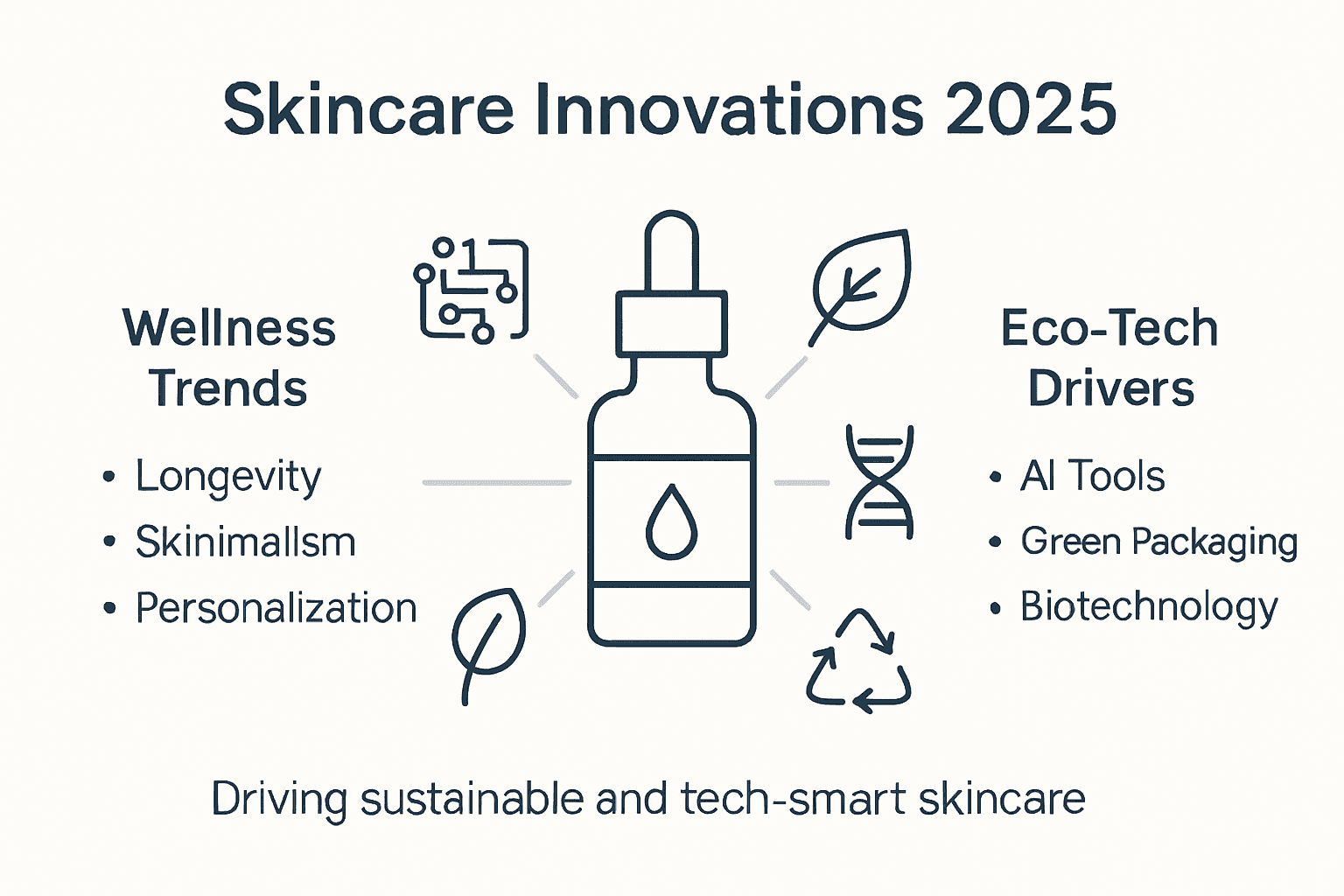
Greenwashing litigation has become a rapidly evolving legal battleground, characterized by diverse regional enforcement mechanisms and an increasing number of consumer class actions. The cosmetics sector remains particularly vulnerable, with inconsistent global regulations creating complex compliance challenges. Proactive legal consultation, comprehensive documentation, and genuinely sustainable practices have transformed from optional strategies to critical business imperatives.
Pro tip: Develop a robust internal verification process that independently validates all sustainability claims before marketing communications, ensuring complete transparency and legal compliance.
The following table summarizes major legal and consumer risks that brands face in the 2025 skincare market:
| Risk Type | Drivers | Business Implications | Required Actions |
|---|---|---|---|
| Greenwashing Claims | Stringent regulations | Potential litigation, reputation loss | Authentic documentation needed |
| Transparency Gaps | Savvy, skeptical consumers | Loss of market trust | Full ingredient/list disclosure |
| Sustainability Issues | Value-driven purchase habits | Decreased sales, negative press | Obtain credible certifications |
New Consumer Habits and Choosing the Right Products
The 2025 skincare consumer represents a sophisticated, value-driven demographic that demands more than superficial promises. Conscious consumption has transformed from a niche philosophy to a mainstream expectation, with individuals seeking products that align with their personal values, ethical standards, and holistic wellness goals.
Beauty consumers are increasingly value-conscious and skeptical, prioritizing product efficacy, simplicity, and meaningful brand alignment. The traditional marketing playbook has become obsolete, as shoppers now conduct extensive research, scrutinize ingredient lists, and expect transparent communication about product origins, environmental impact, and genuine performance capabilities.
Consumer purchasing decisions in skincare are increasingly complex, influenced by a sophisticated blend of scientific evidence, ethical practices, and personal recommendations. Brands must now demonstrate not just product quality, but a comprehensive commitment to sustainability, social responsibility, and genuine consumer empowerment. This shift has created a more discerning market where multifunctional, scientifically-backed products that tell a credible story are paramount.
Pro tip: Before purchasing any skincare product, research the brand’s complete sustainability profile, ingredient transparency, and independent clinical validation to ensure your investment aligns with your personal wellness standards.
Unlock 2025 Skincare Innovations with GNS Beauty
The future of skincare is here with cutting-edge technologies like longevity cosmeceuticals, AI-driven precision treatments, and eco-conscious formulations redefining how we care for our skin. If you are searching for scientifically backed, sustainable products designed to support cellular regeneration and personalized wellness goals, overcoming confusion about product authenticity and greenwashing is essential. GNS Beauty & Personal Care offers a curated selection of premium and transparent skincare essentials focused on real results and environmental responsibility.
Explore our exclusive collection at GNS Beauty & Personal Care now to invest in skincare innovations that prioritize both your skin’s health and the planet. Get started with products that align with your values and deliver proven benefits. Visit our landing page and discover the difference that true innovation and sustainability can make in your self-care routine today.
Frequently Asked Questions
What are longevity cosmeceuticals and how do they work?
Longevity cosmeceuticals are advanced skincare formulations that target specific molecular hallmarks of aging. They go beyond superficial anti-aging claims by using scientifically validated ingredients to enhance skin function and viability at the cellular level.
How is AI changing personalized skincare in 2025?
AI is revolutionizing personalized skincare by leveraging genomics and complex datasets to develop treatments tailored to individual genetic profiles and lifestyle factors. This results in customized skin wellness strategies that are more effective than traditional one-size-fits-all approaches.
What should I look for when evaluating skincare products for sustainability?
When evaluating skincare products for sustainability, prioritize brands that provide transparent information about their environmental practices, ingredient sourcing, and sustainability certifications. Look for actual evidence supporting their claims to avoid greenwashing.
What is skinimalism and why is it becoming popular?
Skinimalism is a trend that emphasizes minimalist skincare routines with fewer, more effective products. This movement reflects a shift towards intentional, ethical consumption and supports environmental consciousness by prioritizing quality over quantity.







Leave a comment
All comments are moderated before being published.
This site is protected by hCaptcha and the hCaptcha Privacy Policy and Terms of Service apply.