

Over half of american consumers now consider sustainability when choosing personal care products, according to recent industry reports. As awareness grows, people are realizing their daily routines can either support or harm the planet in lasting ways. Exploring sustainable beauty means understanding how every ingredient, manufacturing practice, and purchase decision can create positive change for both health and environment.
Table of Contents
- Defining Sustainable Beauty and Its Importance
- Eco-Friendly Ingredients and Clean Formulations
- Ethical Sourcing and Responsible Manufacturing
- Consumer Impact and Environmental Footprint
- Challenges, Myths, and Future Directions
Key Takeaways
| Point | Details |
|---|---|
| Sustainable Beauty Principles | Emphasis on environmental stewardship, ethical sourcing, and minimal ecological impact defines sustainable beauty practices. |
| Consumer Influence | Consumers can drive change by supporting brands that prioritize ecological responsibility and ethical production. |
| Challenges and Misconceptions | Common myths about eco-friendly products, such as perceived ineffectiveness and higher costs, hinder progress in sustainable beauty. |
| Future Directions | Collaborative innovation and transparent communication are essential for overcoming barriers and advancing sustainable practices in the industry. |
Defining Sustainable Beauty and Its Importance
Sustainable beauty represents a holistic approach to personal care that prioritizes environmental responsibility, ethical production, and long-term wellness. At its core, this concept goes beyond simply purchasing eco-friendly products - it’s about understanding how our beauty choices impact the planet, human communities, and our personal health. Sustainable beauty practices integrate conscious manufacturing, minimal environmental footprint, and respect for natural resources.
The landscape of sustainable beauty is driven by several key principles that distinguish it from traditional personal care approaches. Environmental stewardship becomes paramount, focusing on reducing waste, minimizing carbon emissions, and selecting ingredients that do not deplete or harm ecosystems. Manufacturers committed to this philosophy carefully evaluate every stage of product development - from raw material sourcing to packaging design. Ethical considerations extend to fair labor practices, ensuring workers throughout the supply chain are treated respectfully and compensated fairly.
Research increasingly demonstrates the critical importance of sustainable practices in cosmetic production. Comprehensive reviews have shown that integrating sustainability principles can significantly reduce environmental impact while maintaining product quality. This approach involves multiple strategies:
- Sourcing ingredients from renewable sources
- Utilizing biodegradable packaging materials
- Implementing energy-efficient manufacturing processes
- Supporting regenerative agricultural practices
- Prioritizing cruelty-free and vegan product development
Ultimately, sustainable beauty represents a powerful movement toward more conscious consumption. By making informed choices, consumers can support brands that prioritize planetary health, ethical production, and personal wellness - transforming personal care from a simple transaction into a meaningful contribution to global sustainability.
Eco-Friendly Ingredients and Clean Formulations
Clean beauty formulations represent a revolutionary approach to personal care that prioritizes natural, safe, and environmentally responsible ingredients. This philosophy goes far beyond marketing rhetoric, focusing on creating products that are both effective and gentle on human health and planetary ecosystems. Eco-friendly beauty products are carefully developed with a comprehensive understanding of ingredient sourcing, processing, and potential long-term impacts.

Natural ingredients are at the heart of clean formulations, with scientists and researchers continually exploring innovative ways to develop sustainable solutions. Recent tutorial reviews have highlighted significant advancements in utilizing bio-based ingredients, particularly in haircare and personal care products. These innovations focus on identifying plant-derived, renewable components that can replace synthetic chemicals without compromising product performance.
The emergence of green chemistry in personal care has introduced groundbreaking ingredient alternatives. Biosurfactants represent a promising development in eco-friendly formulation strategies, offering manufacturers sustainable options that reduce environmental impact. These bio-based compounds provide multiple benefits:
- Biodegradable and non-toxic properties
- Reduced petroleum-based chemical dependency
- Lower carbon footprint compared to traditional surfactants
- Enhanced compatibility with natural ecosystems
- Potential for improved skin and hair health
Ultimately, clean formulations reflect a holistic commitment to wellness that extends beyond individual product performance. By prioritizing ingredients sourced through ethical, sustainable methods, beauty brands can create products that nurture both personal health and global environmental sustainability.
Ethical Sourcing and Responsible Manufacturing
Ethical sourcing represents a fundamental pillar of sustainable beauty, transforming manufacturing from a purely transactional process into a comprehensive commitment to social and environmental responsibility. This approach goes beyond simply selecting ingredients, encompassing a holistic strategy that considers the entire supply chain and its broader implications. Clean beauty practices require rigorous evaluation of every step in product development, from raw material procurement to final production.
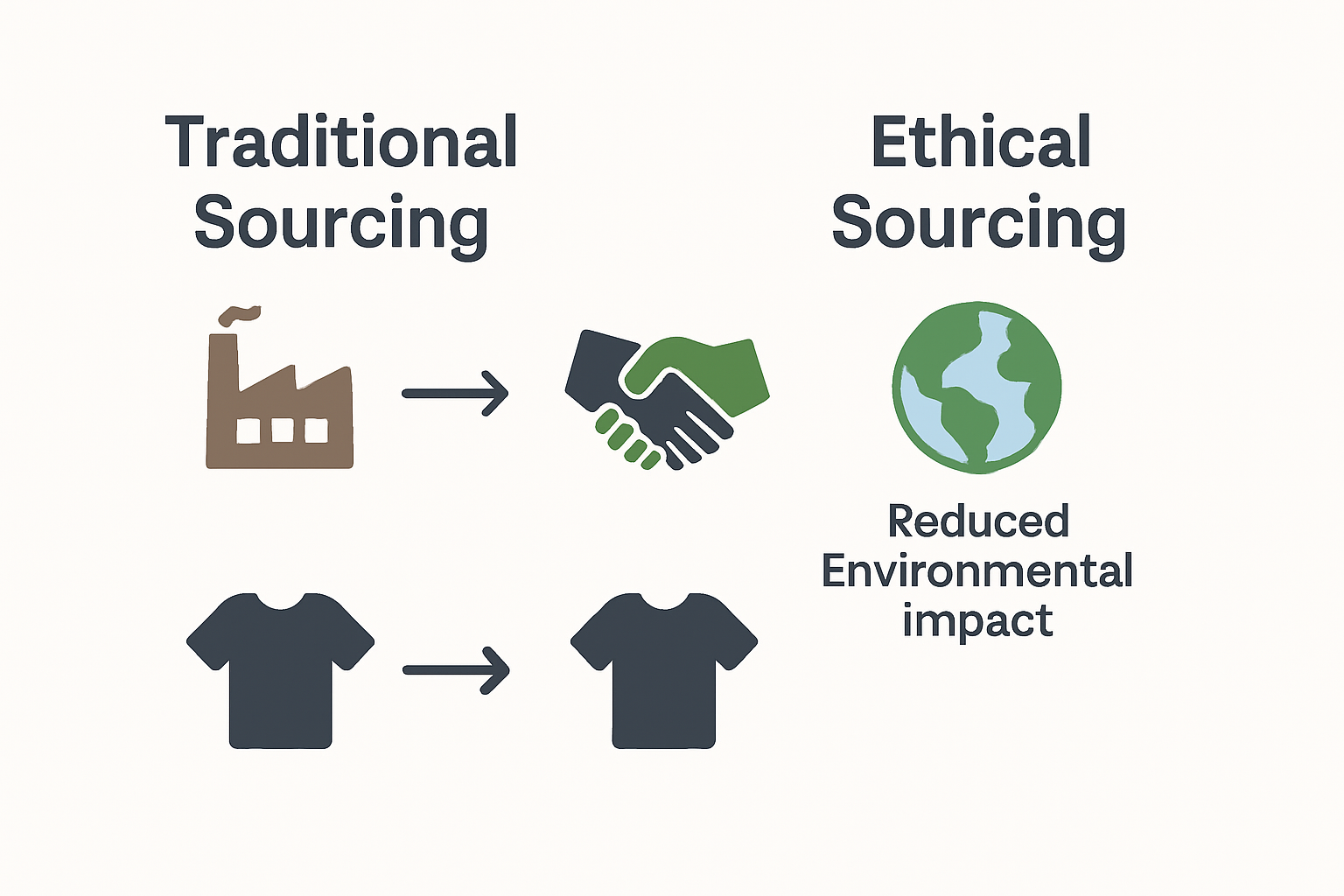
Responsible manufacturing demands a multifaceted approach that prioritizes transparency, worker welfare, and environmental protection. Companies committed to ethical practices carefully audit their entire production ecosystem, ensuring fair wages, safe working conditions, and minimal ecological disruption. This means investigating not just the immediate manufacturing environment, but the entire network of suppliers, agricultural sources, and distribution channels that contribute to a single product’s creation.
The principles of ethical sourcing encompass several critical dimensions:
- Ensuring fair compensation for workers at every stage of production
- Protecting indigenous knowledge and traditional manufacturing techniques
- Minimizing environmental impact through sustainable harvesting methods
- Supporting local communities and economic development
- Maintaining strict standards of transparency and accountability
- Preventing exploitation of vulnerable populations
- Implementing rigorous quality control measures
Ultimately, ethical sourcing represents more than a corporate strategy - it’s a profound commitment to global human dignity and environmental stewardship. By making conscious choices that prioritize people and planet, beauty brands can create a powerful model of responsible commerce that extends far beyond traditional business practices.
Consumer Impact and Environmental Footprint
Consumer choices play a transformative role in shaping the environmental landscape of the beauty industry, with individual purchasing decisions creating ripple effects across global supply chains. Each product selection represents a vote for the type of manufacturing practices and environmental standards consumers want to support. Eco-friendly beauty purchasing has emerged as a powerful mechanism for driving systemic change in personal care product development.
Consumer awareness has become a critical driver of sustainable innovation, particularly in packaging and product design. Systematic reviews of consumer attitudes reveal significant shifts in environmental consciousness, with increasing numbers of individuals prioritizing products that demonstrate genuine commitment to ecological responsibility. This heightened scrutiny compels beauty brands to develop more transparent, environmentally conscious manufacturing processes and packaging solutions.
The environmental footprint of beauty consumption encompasses multiple critical dimensions:
- Plastic waste generated through product packaging
- Carbon emissions from manufacturing and transportation
- Water consumption during ingredient processing
- Chemical runoff and potential ecosystem disruption
- Energy expenditure in production facilities
- Waste generated through product distribution
- Long-term environmental impact of ingredient sourcing
Ultimately, consumers wield significant power in driving sustainable transformation. By making informed choices, demanding transparency, and supporting brands committed to ecological stewardship, individuals can collectively reshape the beauty industry’s environmental impact, transforming personal care from a potentially harmful consumer activity into a force for positive global change.
Challenges, Myths, and Future Directions
Sustainable beauty faces numerous complex challenges that require nuanced understanding and innovative solutions. Common misconceptions often create barriers to meaningful progress, preventing consumers and manufacturers from fully embracing environmentally responsible practices. Clean beauty strategies continue to evolve, challenging long-standing assumptions about product performance, ingredient efficacy, and environmental impact.
Sustainability research has systematically addressed prevalent myths surrounding eco-friendly beauty products. Comprehensive reviews have illuminated critical insights into the integration of sustainable practices, challenging widespread misconceptions about green beauty. These investigations reveal that sustainable products can deliver equivalent or superior performance compared to traditional formulations, debunking long-standing beliefs about compromise in quality.
Key challenges and persistent myths in sustainable beauty include:
- Perceived ineffectiveness of natural ingredients
- Higher cost assumptions for eco-friendly products
- Limited understanding of true environmental impact
- Misconceptions about product shelf life and stability
- Complex supply chain transparency issues
- Regulatory limitations on sustainable innovation
- Consumer skepticism about genuine environmental commitments
Looking forward, the future of sustainable beauty demands collaborative innovation, transparent communication, and a holistic approach that balances scientific advancement with environmental stewardship. By continuously challenging existing paradigms and investing in research, the beauty industry can transform potential obstacles into opportunities for meaningful, systemic change.
Embrace Sustainable Beauty with GNS Beauty & Personal Care
The article highlights the growing need for sustainable beauty that respects the planet, ethical sourcing, and personal wellness. If you struggle with finding trustworthy products that align with your values on environmental stewardship and clean formulations, you are not alone. The challenge is real: seeking beauty solutions that are both luxurious and eco-conscious without compromise. Now is the time to take control of your choices and support brands that commit to transparency, ingredient integrity, and holistic care.
Discover how you can make a difference with GNS Beauty & Personal Care. We offer a curated collection of premium, eco-friendly products designed to nourish your skin and hair while protecting the environment and supporting ethical practices. Whether you want to explore clean formulations, cruelty-free options, or sustainable packaging, our platform delivers a seamless experience tailored to your wellness goals.
Step into a new era of beauty that empowers both you and the planet. Visit GNS Beauty & Personal Care today to explore our thoughtfully selected range and take advantage of ongoing promotions that make sustainable shopping rewarding. Your journey toward conscious self-care and natural beauty begins now. Don’t wait to transform your routine with products that reflect your values and passion for global sustainability. Explore more about sustainable beauty practices and find your perfect match today.
Frequently Asked Questions
What is sustainable beauty?
Sustainable beauty is a holistic approach to personal care that prioritizes environmental responsibility, ethical production, and long-term wellness through conscious manufacturing and minimal environmental impact.
Why should I consider using eco-friendly beauty products?
Using eco-friendly beauty products supports ethical production practices, reduces environmental impact, eliminates harmful ingredients, and promotes overall wellness for both consumers and the planet.
How can I identify clean beauty formulations?
To identify clean beauty formulations, look for products made with natural, safe, and environmentally responsible ingredients that are free from harmful chemicals and are often labeled as cruelty-free and vegan.
What are the benefits of ethical sourcing in beauty products?
Ethical sourcing ensures fair compensation for workers, protects traditional practices, minimizes environmental impact, supports local communities, and fosters transparency and accountability throughout the supply chain.






Leave a comment
All comments are moderated before being published.
This site is protected by hCaptcha and the hCaptcha Privacy Policy and Terms of Service apply.