
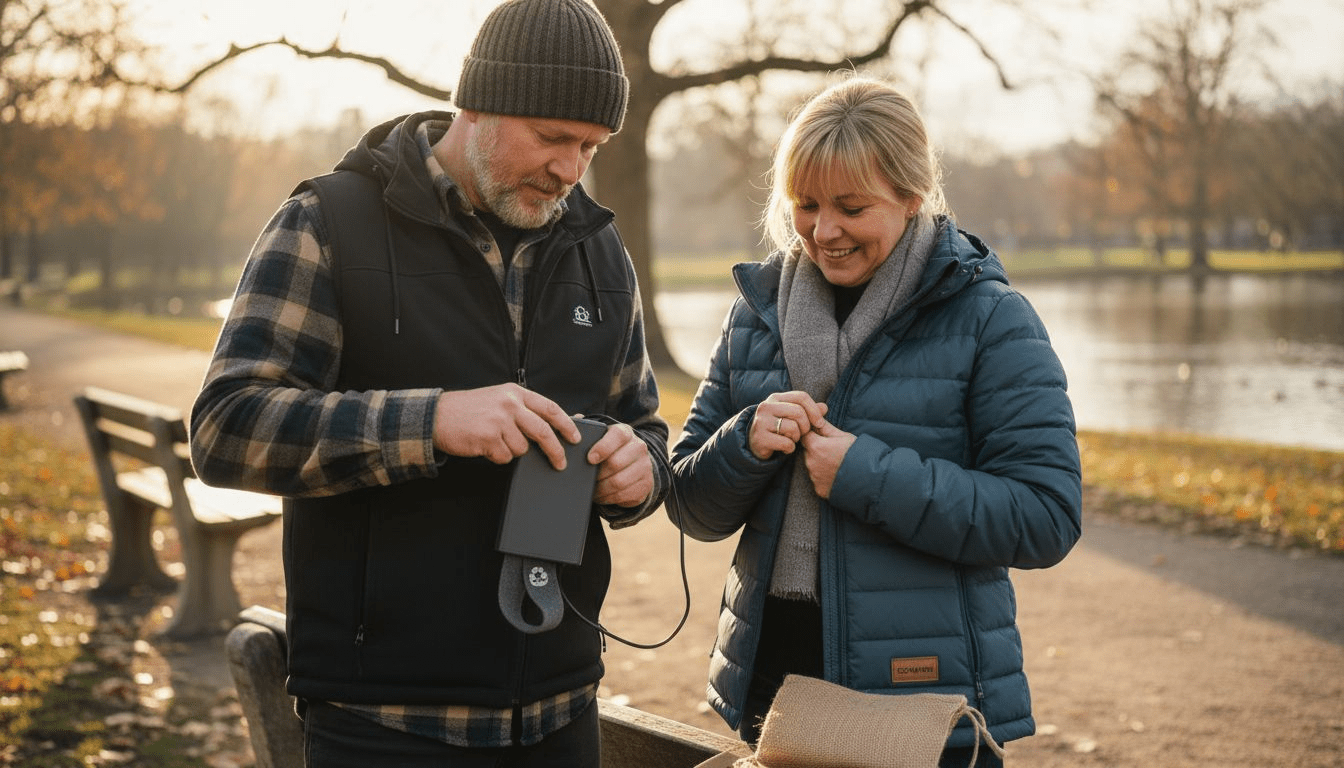
Most American millennials and Gen Z choose heated vests and jackets to combine sustainability with personal wellness during active outdoor routines. With over 60 percent of eco-conscious shoppers prioritizing energy-efficient apparel, stylish heated garments offer a smarter layer for cold climates. This guide unpacks the latest innovations in heated clothing, highlighting real benefits for fitness enthusiasts who value better comfort, longer battery life, and responsible material choices.
Table of Contents
- Heated Vests and Jackets Explained
- Types and Heating Technologies Compared
- Warmth, Fit, and Layering Differences
- Eco-Friendly Materials and Sustainability Impact
- Choosing the Right Option for Wellness Needs
Key Takeaways
| Point | Details |
|---|---|
| Heated Apparel Innovations | Heated vests and jackets utilize advanced materials like Carbon Fiber and Graphene for efficient warmth and comfort in cold environments. |
| Distinctions Between Vests and Jackets | Vests offer mobility and core warmth, while jackets provide full coverage and insulation; choose based on activity needs. |
| Sustainability Considerations | Opt for heated garments made from recyclable materials and energy-efficient technologies to reduce environmental impact. |
| Wellness and Health Benefits | Select heated apparel that addresses personal health needs, ensuring adjustable temperature settings for tailored comfort. |
Heated Vests and Jackets Explained
Heated apparel represents an innovative solution for individuals seeking warmth and comfort in cold environments. Heated vests and jackets are sophisticated battery-powered garments designed to provide targeted heat distribution across the body, transforming how we experience outdoor activities and winter conditions.
These intelligent clothing items utilize advanced heating technologies embedded within their fabric, typically incorporating materials like carbon fiber and graphene. Industrial and performance contexts demonstrate their versatility across various environments, from professional workwear to recreational outdoor pursuits. The primary distinction between heated vests and jackets lies in their design and coverage area:
-
Heated Vests: - Focus on core body warmth - Provide maximum mobility - Ideal for layering underneath outer shells - Lightweight and less restrictive
-
Heated Jackets: - Full upper body and arm coverage - Better protection in harsh weather conditions - More comprehensive insulation - Standalone outerwear option
Modern heated garments feature rechargeable battery systems that power heating elements strategically placed to maximize warmth retention. Users can typically adjust temperature settings, allowing personalized comfort across different activity levels and environmental conditions.
Pro tip: When selecting heated apparel, consider your primary use case and prioritize battery life, heating zone placement, and overall mobility to ensure optimal performance.
Types and Heating Technologies Compared
Advanced heating technologies have revolutionized the world of heated apparel, offering consumers increasingly sophisticated options for staying warm in cold environments. The evolution from traditional heating methods to cutting-edge materials represents a significant leap in thermal comfort and performance.
The primary heating technologies in modern heated vests and jackets include:
- Carbon Fiber: Traditional and reliable heating element
- Graphene: Next-generation material with superior heat distribution
- Steel Plate: Robust heating mechanism with uniform warmth
- Copper Wiring: Classic conductive heating technology
Battery-powered systems play a crucial role in modern heated apparel, with lithium-ion batteries providing the primary power source. These advanced battery technologies enable precise temperature control, multiple heat settings, and extended wear time across different environments.
Graphene stands out as a particularly innovative material, offering unprecedented heat distribution and energy efficiency. Unlike traditional heating elements, graphene provides more responsive and uniform warmth, with faster heating capabilities and better temperature regulation. This technology represents a significant advancement in heated clothing design, allowing for lighter, more comfortable garments that maintain optimal thermal performance.
Here is a quick reference to modern heating technologies used in heated apparel:
| Technology | Typical Use | Strengths | Drawbacks |
|---|---|---|---|
| Carbon Fiber | Workwear, Sports | Durable and reliable | Slower heat response |
| Graphene | High-performance wear | Fast, even heating | Higher material cost |
| Steel Plate | Industrial apparel | Consistent warmth | Heavier construction |
| Copper Wiring | Classic designs | Low cost, stable | Less flexible, slower heating |
Pro tip: When evaluating heated apparel, prioritize garments with advanced materials like graphene and lithium-ion batteries for the most efficient and comfortable heating experience.
Warmth, Fit, and Layering Differences
Heated vests and jackets represent two distinct approaches to cold weather protection, each offering unique benefits in warmth distribution, mobility, and layering versatility. Understanding their fundamental differences can help outdoor enthusiasts and active individuals select the most appropriate garment for their specific needs.
The primary distinctions in warmth and coverage include:
-
Heated Jackets:
- Full arm and torso coverage
- Maximum insulation for extreme cold
- Standalone outerwear option
- Thicker material construction
-
Heated Vests:
- Core body heat concentration
- Exceptional mobility
- Ideal for layering
- Lightweight and less restrictive
Battery runtime and layering flexibility play crucial roles in determining the most suitable heated apparel. Vests typically offer longer battery life due to their smaller surface area and reduced power requirements. This makes them an excellent choice for activities requiring extended warmth without bulky layers.
The fit and design of heated garments directly impact their performance and user comfort. Jackets provide comprehensive protection against harsh weather conditions, while vests excel in scenarios demanding maximum movement and versatile layering. Athletes, outdoor workers, and winter sports enthusiasts can strategically choose between these options based on their specific activity requirements and environmental conditions.
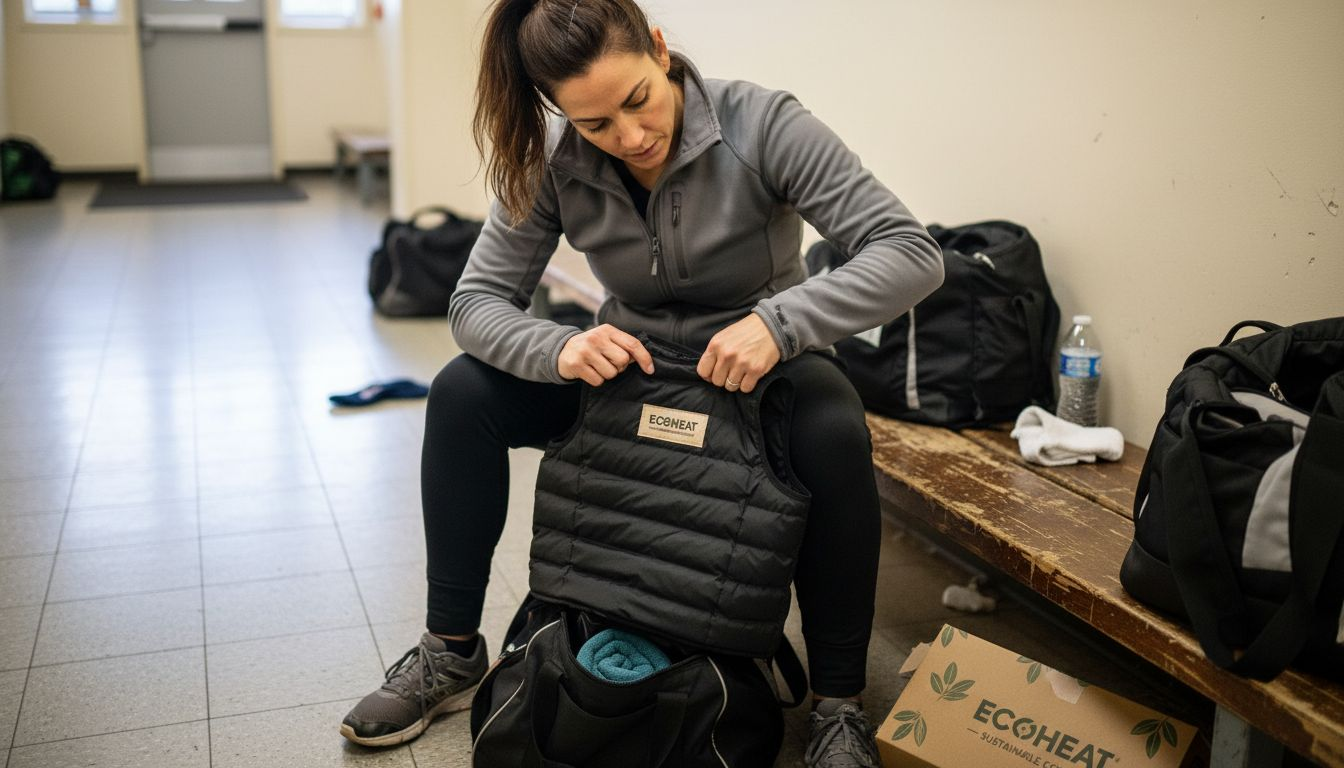
Here’s a concise overview highlighting how heated vests and jackets differ in real-world applications:
| Factor | Heated Vest | Heated Jacket |
|---|---|---|
| Mobility | Maximum movement | Limited movement |
| Layering | Easily worn under coats | Worn as outer layer |
| Warmth Coverage | Focused on core | Full upper body |
| Battery Duration | Usually longer | Often shorter due to size |
Pro tip: Consider your primary activity and temperature range when selecting between a heated vest and jacket, prioritizing mobility for high-movement tasks and full coverage for extremely cold environments.
Eco-Friendly Materials and Sustainability Impact
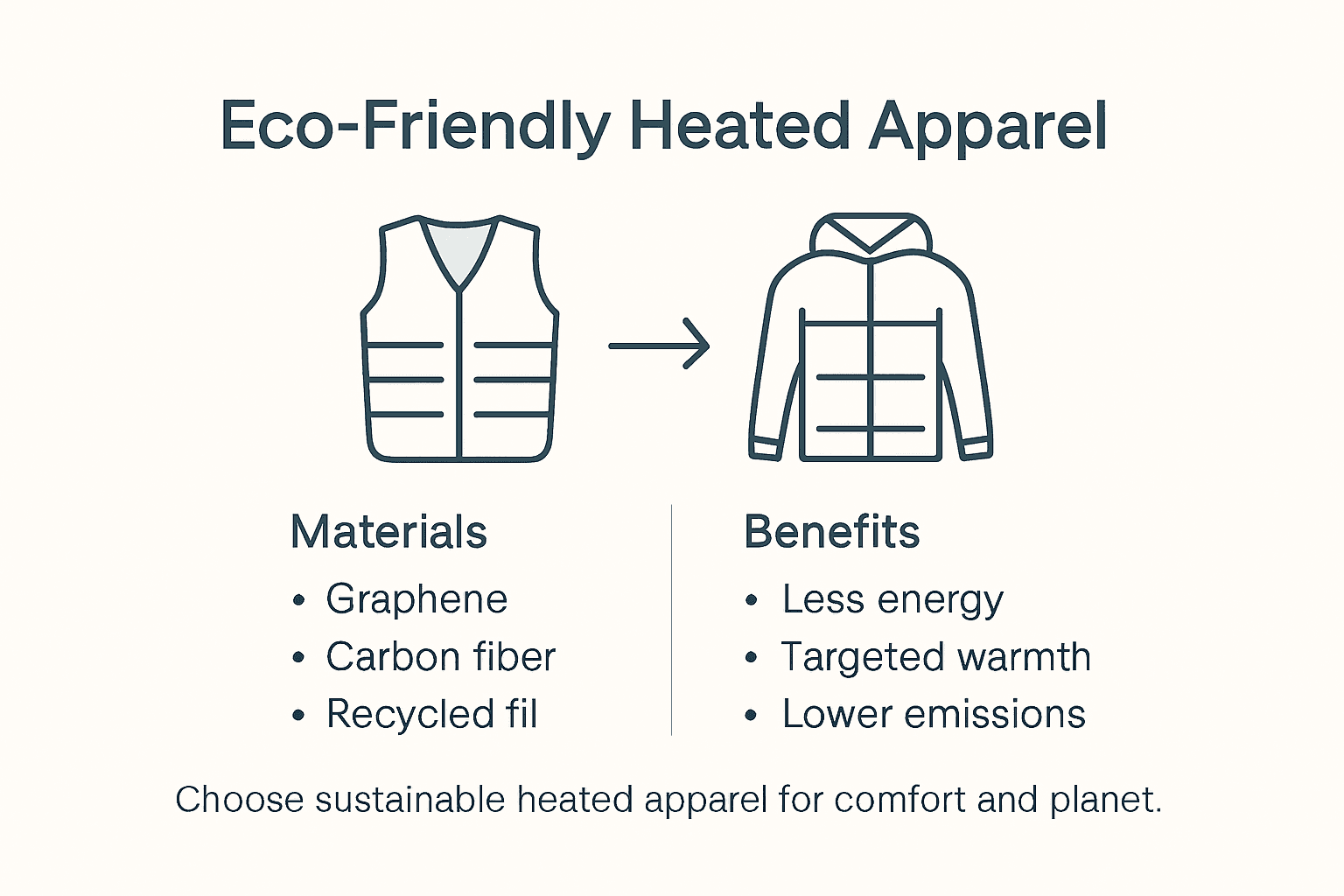
Sustainable heated apparel represents an innovative approach to personal comfort that addresses both individual needs and environmental consciousness. The evolution of heated clothing technologies demonstrates a growing commitment to reducing energy consumption and minimizing textile waste through intelligent design and material selection.
Key sustainable features of modern heated apparel include:
-
Recyclable Synthetic Fabrics:
- Reduced environmental footprint
- Longer product lifecycle
- Minimized material waste
- Durable construction
-
Energy-Efficient Heating Elements:
- Carbon fiber heating technology
- Lower power consumption
- Precise temperature control
- Reduced overall energy use
The environmental benefits of heated vests and jackets extend beyond traditional heating methods. By providing targeted warmth, these garments can significantly reduce reliance on energy-intensive home heating systems. The ability to maintain personal comfort with a compact, portable solution translates to considerable energy savings and reduced carbon emissions.
Advanced battery technologies and sustainable manufacturing processes continue to drive innovation in heated apparel. Manufacturers are increasingly focusing on creating products with longer lifespans, recyclable components, and minimal environmental impact. This approach not only benefits individual consumers but also contributes to broader sustainability efforts in the textile and personal warming industries.
Pro tip: Choose heated apparel with long-lasting batteries and recyclable materials to maximize both personal comfort and environmental responsibility.
Choosing the Right Option for Wellness Needs
Wellness-focused heated apparel selection requires careful consideration of individual health needs, activity levels, and personal comfort preferences. Understanding how different heated garments can support overall physical well-being is crucial in making an informed decision that enhances personal comfort and health.
Key wellness considerations when selecting heated apparel include:
-
Health Condition Compatibility:
- Circulatory health support
- Joint mobility enhancement
- Temperature sensitivity management
- Chronic pain relief
-
Activity-Specific Requirements:
- Sports and outdoor performance
- Workplace mobility needs
- Travel and commuting comfort
- Therapeutic movement support
Selecting the right heated garment involves understanding how different designs address specific wellness challenges. Heated vests excel in providing core warmth with minimal restriction, making them ideal for individuals with mobility concerns or those requiring flexible layering. Heated jackets offer comprehensive coverage, which can be particularly beneficial for people with widespread temperature sensitivity or those exposed to more extreme environmental conditions.
Individuals with specific health considerations such as arthritis, poor circulation, or chronic cold sensitivity should prioritize garments that provide targeted warmth and support. The ability to regulate personal temperature can significantly impact overall comfort, energy levels, and daily functionality. Consulting with healthcare professionals can provide personalized insights into which heated apparel design might best support individual wellness goals.
Pro tip: Prioritize heated apparel that offers adjustable temperature settings and allows seamless layering to maximize personal comfort and health benefits.
Discover the Perfect Balance of Warmth and Wellness with GNS Beauty & Personal Care
Choosing between a heated vest and a heated jacket is about more than style or comfort. It is about addressing your specific wellness needs, mobility preferences, and how you want to experience warmth during cold days. Whether you seek targeted core heat with freedom of movement or full upper body coverage to combat extreme cold, understanding these differences empowers you to invest in your health and comfort.
Explore premium self-care essentials at GNS Beauty & Personal Care that complement your active lifestyle and wellness goals. Elevate your cold-weather routine with carefully curated products designed to support your wellbeing while embracing eco-friendly values. Take control of your comfort today and experience warmth, style, and confidence in every moment. Visit GNS Beauty & Personal Care now to find personalized solutions that match your unique needs.
Frequently Asked Questions
What is the difference between a heated vest and a heated jacket?
Heated vests focus on providing core body warmth and maximum mobility, making them ideal for layering. Heated jackets offer full upper body and arm coverage, providing better protection against harsh weather conditions and serving as a standalone outerwear option.
How do heated vests and jackets work?
Heated vests and jackets utilize battery-powered heating elements, often made from advanced materials like carbon fiber and graphene, to distribute warmth evenly across the body. Users can typically adjust the temperature settings for personalized comfort.
Are heated vests or jackets more energy-efficient?
Heated vests generally offer longer battery life due to their smaller surface area, requiring less power to heat. This makes them an excellent choice for extended warmth without excessive bulk.
What are the wellness benefits of wearing heated apparel?
Heated apparel can support circulatory health, enhance joint mobility, manage temperature sensitivity, and provide chronic pain relief. They allow for adjustable warmth that can significantly improve overall comfort and energy levels.







Leave a comment
All comments are moderated before being published.
This site is protected by hCaptcha and the hCaptcha Privacy Policy and Terms of Service apply.