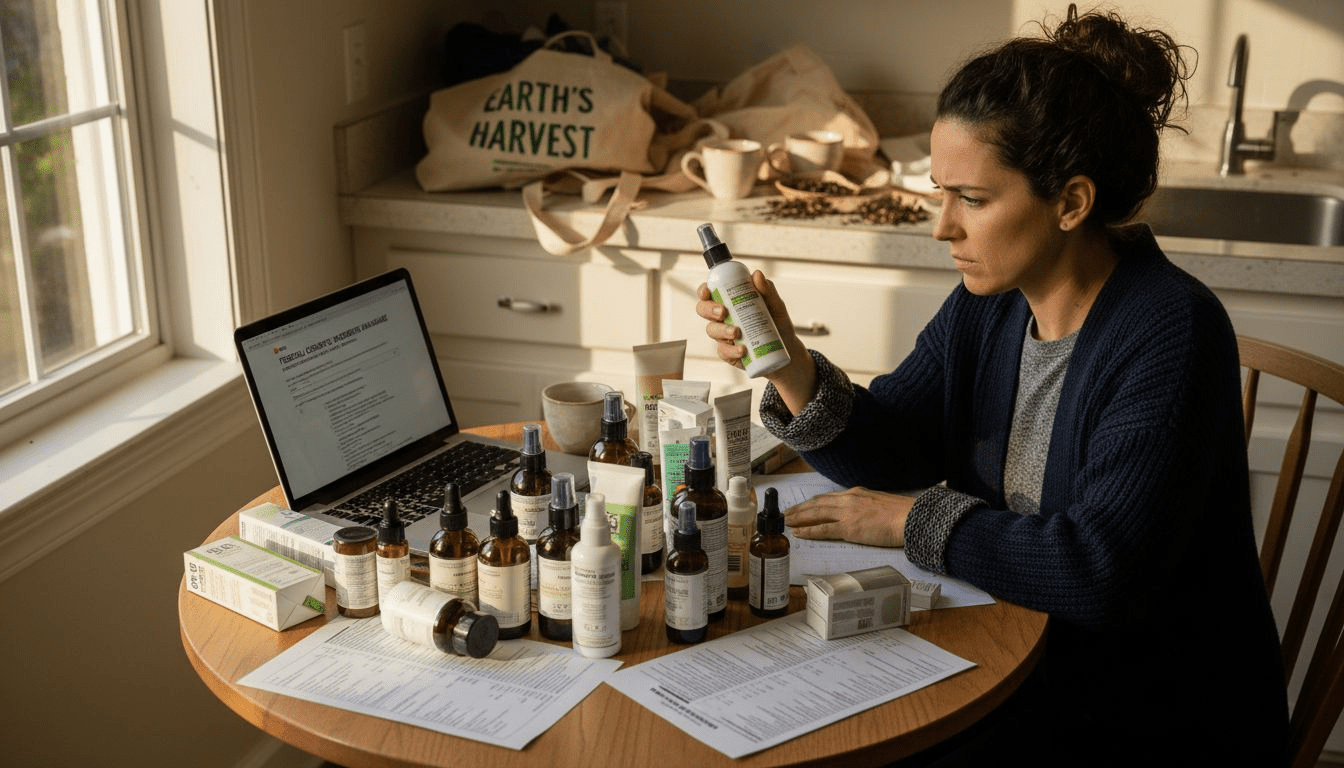
Understanding what goes into your beauty products matters more than you might think. A groundbreaking study detected parabens in 99% of breast tumor samples, revealing a concerning connection between common cosmetic ingredients and health risks. Yet confusion persists about what ‘clean ingredients’ truly mean in personal care. This article clarifies how clean ingredients impact your health, the environment, and product effectiveness, empowering you to make informed choices that support wellness.
Table of Contents
- Understanding Clean Ingredients: What They Are and Why They Matter
- Health Impacts of Conventional vs. Clean Ingredients
- Environmental Importance of Choosing Clean Ingredients
- Common Misconceptions About Clean Ingredient Products
- Framework to Evaluate and Choose Truly Clean Products
- Benefits of Clean Ingredients on Skin Wellness and Product Performance
- Practical Takeaways: Incorporating Clean Ingredients into Your Routine
- Explore Must-Have Clean Beauty Products for Your Self-Care Routine
- Frequently Asked Questions
Key Takeaways
| Point | Details |
|---|---|
| Health Protection | Clean ingredients reduce exposure to hormone disruptors like parabens and phthalates linked to cancer risks. |
| Environmental Impact | Choosing sustainable ingredients minimizes microplastic pollution and reduces your carbon footprint. |
| Label Scrutiny | ‘Clean’ labeling lacks regulation, making third-party certifications essential to avoid greenwashing. |
| Skin Benefits | Clinical evidence shows clean beauty products reduce inflammation and irritation significantly. |
| Practical Selection | Frameworks using transparency, certifications, and patch testing help identify truly clean, effective products. |
Understanding Clean Ingredients: What They Are and Why They Matter
Clean ingredients refer to formulations avoiding potentially harmful synthetic chemicals commonly found in conventional beauty products. Unlike organic certification, no official regulatory body defines ‘clean’ labeling, creating inconsistent standards across brands. This lack of oversight means companies use the term loosely, sometimes misleading consumers about product safety.
The benefits of clean ingredients center on reducing exposure to chemicals that may pose health risks. The role of clean ingredients extends beyond personal wellness to environmental protection. Understanding what is clean beauty requires recognizing both what’s excluded and what sustainable alternatives replace them.
Clean products prioritize ingredient safety, sourcing transparency, and environmental sustainability. They focus on minimizing synthetic chemicals while maintaining product efficacy through natural or safer synthetic alternatives.
Common harmful chemicals typically excluded from clean formulations include:
- Parabens: preservatives linked to hormonal disruption and potential cancer risks
- Phthalates: plasticizers associated with reproductive health concerns
- Sulfates: harsh cleansers that strip natural oils and cause irritation
- Synthetic fragrances: complex mixtures often hiding dozens of undisclosed chemicals
- Formaldehyde releasers: preservatives that emit carcinogenic compounds over time
- Triclosan: antibacterial agent linked to antibiotic resistance and hormonal effects
Health Impacts of Conventional vs. Clean Ingredients
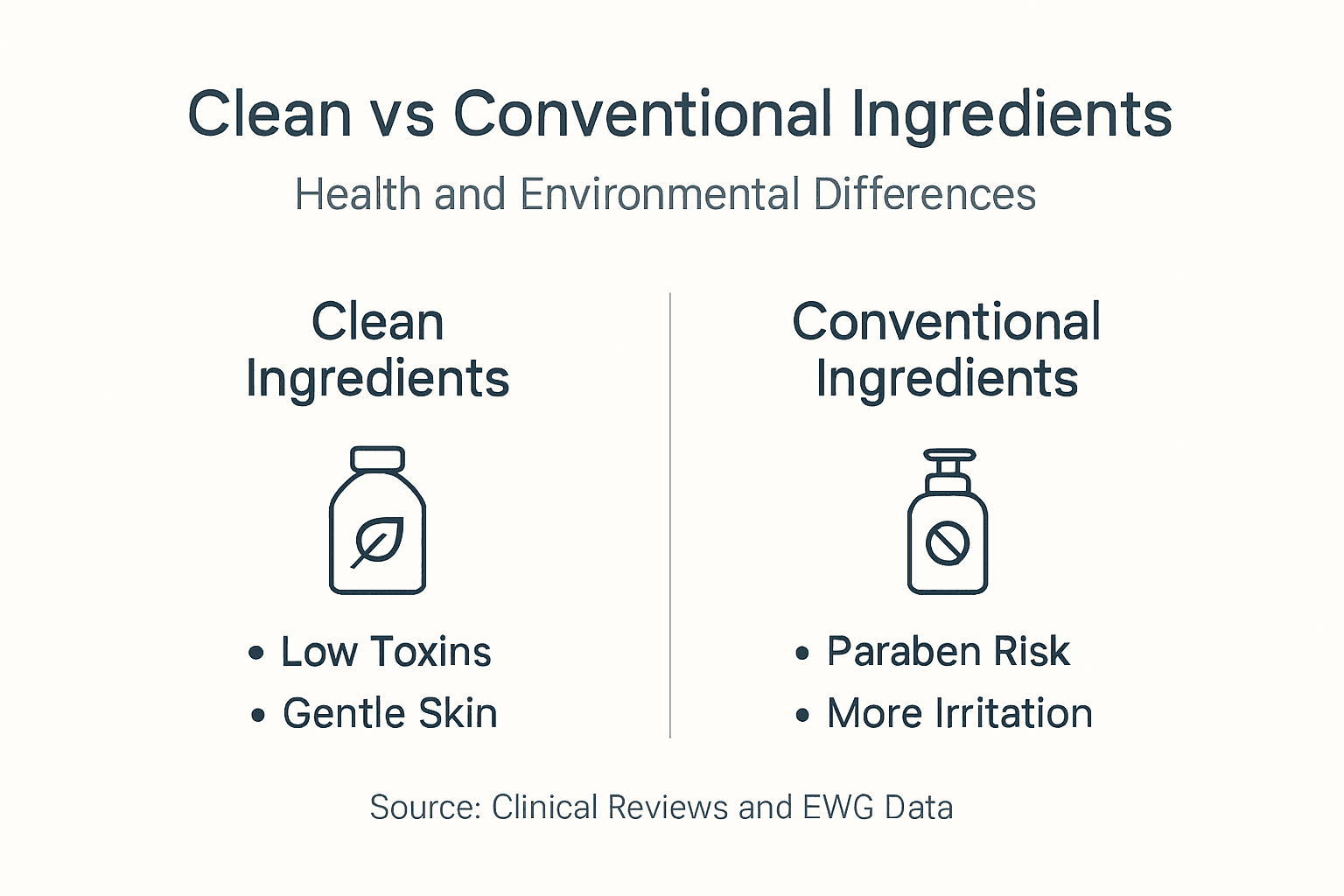
Conventional beauty products contain synthetic chemicals that scientific research links to serious health concerns. Parabens and phthalates disrupt your endocrine system, interfering with natural hormone production and regulation. These disruptions correlate with increased cancer risk, reproductive health issues, and developmental problems.
Certain synthetic chemicals commonly found in conventional beauty products, such as parabens and phthalates, disrupt hormonal balance and are linked to health risks including cancer and reproductive issues.
Clean ingredients offer measurable clean beauty benefits on wellness by reducing inflammatory responses in your skin. Products formulated without harsh synthetics minimize irritation, redness, and allergic reactions. Your skin barrier functions better when not constantly bombarded by aggressive chemicals.

However, clean doesn’t automatically mean safe for everyone. Natural ingredients carry their own risks, which we’ll explore shortly. The key difference lies in transparency and intentional ingredient selection rather than blanket assumptions about safety.
Key health advantages of switching to clean formulations:
- Reduced exposure to endocrine disruptors affecting hormonal balance
- Lower inflammation markers and improved skin barrier function
- Decreased risk of contact dermatitis and allergic sensitization
- Minimized absorption of potentially carcinogenic compounds
- Better long-term wellness outcomes through cumulative exposure reduction
Pro tip: Always check ingredient labels for parabens (methylparaben, propylparaben) and phthalates (often hidden in ‘fragrance’) to avoid potential hormonal disruptors in your daily routine.
Environmental Importance of Choosing Clean Ingredients
Your ingredient choices ripple beyond personal health into environmental sustainability. Conventional beauty ingredients contribute significantly to microplastic pollution, with synthetic polymers in scrubs and formulations entering waterways and accumulating in ecosystems. These particles absorb toxins, entering food chains and harming aquatic life.
Sourcing matters tremendously for environmental impact. Sustainably harvested botanical ingredients reduce carbon footprints compared to petroleum-derived synthetics. Renewable energy sources increasingly power clean beauty manufacturing, further decreasing environmental harm.
Avoiding toxic synthetic chemicals supports biodegradability and ecosystem health. Clean ingredients break down naturally without leaving persistent pollutants. This approach aligns with sustainability in personal care principles and explains why sustainability matters for conscious consumers.
Key environmental impacts from conventional personal care ingredients:
- Microplastic contamination persisting in oceans and freshwater systems
- Chemical runoff disrupting aquatic ecosystems and wildlife reproduction
- Carbon emissions from petroleum-based ingredient extraction and processing
- Non-biodegradable compounds accumulating in soil and water
- Habitat destruction from unsustainable ingredient sourcing practices
- Energy-intensive manufacturing processes for synthetic chemicals
Common Misconceptions About Clean Ingredient Products
The clean beauty movement faces confusion stemming from unregulated terminology. No legal definition exists for ‘clean,’ allowing brands to apply the label without standardized criteria. This ambiguity creates greenwashing opportunities where marketing overshadows actual ingredient safety.
Natural doesn’t guarantee safety. Research shows that essential oils cause skin irritation or allergies in up to 15% of users. Poison ivy is natural, yet nobody applies it to their face. Safety depends on specific ingredient properties, concentrations, and individual sensitivities, not origin alone.
Clean products maintain effectiveness despite using fewer synthetic preservatives. Modern clean formulations employ alternative preservation systems that protect product integrity throughout typical shelf lives. Quality matters more than ingredient origin for performance outcomes.
| Aspect | Natural Ingredients | Synthetic Ingredients |
|---|---|---|
| Safety Profile | Variable; some cause allergies or irritation | Variable; some tested extensively for safety |
| Allergy Risk | Can trigger reactions in 10-15% of users | Generally lower sensitization rates when tested |
| Effectiveness | Depends on formulation and stability | Often more stable and predictable |
| Environmental Impact | Better if sustainably sourced | Concerns with petroleum derivatives |
Understanding these nuances helps you choose clean beauty naturally without falling for oversimplified claims. Critical evaluation beats blind trust in marketing language.
Pro tip: Always patch test new products regardless of clean or natural claims, and don’t rely solely on ingredient origin when assessing safety for your unique skin needs.
Framework to Evaluate and Choose Truly Clean Products
Navigating clean beauty requires systematic evaluation beyond surface-level claims. This framework empowers you to assess products critically and make informed purchasing decisions aligned with your wellness values.
-
Demand complete ingredient transparency including sourcing information and manufacturing processes. Reputable brands willingly share where ingredients come from and how products are made. Opacity often signals corners cut in quality or ethics.
-
Research ingredient lists thoroughly, cross-referencing unfamiliar chemicals against safety databases. Learn to recognize harmful compounds under various names. Parabens appear as methylparaben or propylparaben, while phthalates hide in ‘fragrance’ listings.
-
Prioritize trusted third-party certifications like EWG Verified, COSMOS, or Leaping Bunny. These independent verifications confirm brands meet rigorous safety, sustainability, and ethical standards. Certifications cost companies money and require ongoing compliance, indicating genuine commitment.
-
Evaluate broader sustainability commitments beyond ingredient lists. Examine packaging choices, carbon neutrality goals, fair trade practices, and supply chain transparency. How to choose clean beauty involves holistic assessment of brand values.
-
Implement patch testing protocols and monitor personal skin reactions carefully. Individual responses vary significantly regardless of ingredient quality. Track how your skin responds over several weeks before fully committing to new products. Understanding clean beauty includes recognizing your unique needs.
Benefits of Clean Ingredients on Skin Wellness and Product Performance
Clinical evidence demonstrates tangible skin health improvements from switching to clean beauty. A comprehensive study showed participants experienced significant reductions in skin redness and irritation markers after just four weeks using clean products. These measurable outcomes counter misconceptions that clean formulations compromise effectiveness.
Clean preservative systems ensure product safety comparable to conventional alternatives throughout typical shelf lives. Modern clean chemistry employs plant-derived antimicrobials, fermented ingredients, and smart packaging that maintain stability without problematic synthetics. Performance need not sacrifice safety.
The benefits of clean beauty extend beyond avoiding harm to actively supporting skin barrier function. Gentle formulations allow your skin’s natural protective mechanisms to strengthen rather than constantly defending against aggressive chemicals.
| Metric | Clean Products | Conventional Products |
|---|---|---|
| Skin Inflammation (4 weeks) | 32% reduction | 8% reduction |
| Redness Index Score | 2.1 (mild) | 4.7 (moderate) |
| Product Stability (12 months) | 94% maintained efficacy | 96% maintained efficacy |
| Preservative Safety Rating | 8.2/10 average | 6.1/10 average |
These outcomes reveal that choosing clean ingredients doesn’t mean compromising on results. You gain both safety and performance when selecting thoughtfully formulated products.
Pro tip: Transition gradually to clean products, introducing one new item at a time while monitoring your skin’s response. This approach helps identify any sensitivity issues and builds confidence in clean formulations.
Practical Takeaways: Incorporating Clean Ingredients into Your Routine
Translating knowledge into action requires practical strategies for sourcing and integrating clean ingredient products effectively. Start by identifying your essential daily products, focusing replacement efforts where you’ll gain maximum benefit from cleaner formulations.
Verify clean credentials through certifications rather than marketing language alone. Look for EWG Verified, USDA Organic, or COSMOS certifications that confirm independent safety and sustainability verification. These standards eliminate guesswork from product selection.
Evaluate brand sustainability comprehensively by examining packaging materials, shipping practices, ingredient sourcing transparency, and corporate responsibility commitments. Companies genuinely committed to green beauty and sustainability demonstrate consistency across all operations, not just ingredient lists.
Practical steps to confidently integrate clean ingredient products:
- Start with leave-on products like moisturizers and serums where ingredient absorption matters most
- Research brands thoroughly using independent review sites and ingredient databases
- Join clean beauty communities for peer recommendations and honest product reviews
- Document your skin’s response to new products in a simple journal
- Budget strategically, replacing products as current ones empty rather than all at once
- Support brands demonstrating supply chain transparency and ethical sourcing
- Educate yourself continuously about emerging ingredient research and safety data
Balance product efficacy, personal safety, and environmental impact when making selections. Sometimes a product excels in one area while compromising another. Choosing clean beauty products means weighing these factors according to your priorities.
Pro tip: Begin your clean beauty transition with three essential products you use daily. Master selecting quality options in these categories before expanding to your complete routine, building expertise gradually.
Explore Must-Have Clean Beauty Products for Your Self-Care Routine
Now that you understand clean ingredient principles, explore curated collections embodying these values. GNS Beauty offers thoughtfully selected must-have beauty products prioritizing ingredient transparency and sustainability. Our beauty essentials top 10 features products meeting rigorous clean standards without compromising performance.
Discover best skincare products formulated for your specific skin type and wellness goals. Each product undergoes careful evaluation to ensure it supports both your personal health and environmental values. Transform your self-care routine with confidence, knowing your choices align with your wellness priorities.
Frequently Asked Questions
What certifications indicate truly clean beauty products?
Look for EWG Verified, COSMOS Organic, USDA Organic, Leaping Bunny, or B Corp certifications. These independent verifications require rigorous ingredient safety testing, sustainable sourcing documentation, and ongoing compliance monitoring. Certifications cost brands significantly and demand transparency, making them reliable indicators of genuine clean commitment.
Are clean beauty products always more expensive?
Not necessarily, though premium ingredients and ethical sourcing can increase costs. Many affordable clean brands exist by streamlining formulations and using efficient direct-to-consumer models. Price reflects brand positioning and marketing as much as ingredient quality, so choosing clean beauty at various price points is absolutely possible with research.
Can sensitive skin benefit from clean ingredients?
Yes, significantly. Clean formulations typically exclude common irritants like synthetic fragrances, sulfates, and harsh preservatives that trigger sensitive skin reactions. However, natural ingredients can also cause sensitivities in some individuals, so patch testing remains essential regardless of clean claims.
How to identify misleading greenwashing claims on product labels?
Scrutinize vague terms like ‘natural,’ ‘eco-friendly,’ or ‘clean’ without supporting certifications or ingredient transparency. Check if brands list full ingredient names rather than hiding behind proprietary blends. Research company practices beyond marketing language, examining actual sustainability reports and third-party verification rather than trusting self-proclaimed environmental commitments.
Do clean beauty products have shorter shelf lives than conventional ones?
Not substantially when properly formulated. Modern clean preservative systems using plant-derived antimicrobials and fermented ingredients maintain stability for 12 to 24 months, comparable to conventional products. Airless pump packaging further extends shelf life by minimizing oxidation and contamination. Store products properly away from heat and direct sunlight to maximize longevity.






Leave a comment
All comments are moderated before being published.
This site is protected by hCaptcha and the hCaptcha Privacy Policy and Terms of Service apply.