
Switching to eco-friendly beauty products can reduce your personal carbon footprint by up to 15% while cutting plastic waste by 30%. These numbers matter because they represent real environmental impact from daily choices. Eco-conscious consumers often struggle to find products that deliver results without compromising sustainability values. This guide reveals how natural ingredients, ethical sourcing, and transparent practices create beauty solutions that benefit both you and the planet.
Table of Contents
- The Rise of Eco-Friendly Beauty
- Environmental Benefits of Switching to Eco-Friendly Products
- Health Benefits of Natural Ingredients in Eco-Friendly Personal Care
- Common Misconceptions About Eco-Friendly Beauty Products
- Framework to Evaluate True Eco-Friendly Beauty and Personal Care Products
- Consumer Perspectives and Brand Impact
- Practical Steps to Transition to Eco-Friendly Beauty Products
- Elevate Your Self-Care with Premium Eco-Friendly Products
- Frequently Asked Questions
Key Takeaways
| Point | Details |
|---|---|
| Environmental Impact | Eco-friendly products reduce waste by up to 30% and carbon footprint by 10-15% |
| Health Benefits | Natural ingredients improve skin hydration and resilience by up to 30% |
| Performance Validation | 68% of users report equal or superior results with eco-friendly products |
| Evaluation Framework | Three pillars assess environmental impact, ingredient safety, and ethical sourcing |
| Brand Loyalty | Sustainable brands experience 25% higher repeat customer rates |
The Rise of Eco-Friendly Beauty
The beauty industry is experiencing a fundamental shift as consumers demand products aligned with environmental values. Understanding What is Eco-Friendly Beauty and Its Impact shows how sustainable product demand drives market expansion. This movement represents more than a trend. It reflects changing priorities where self-care and planetary care intersect.
Eco-friendly beauty means products designed with reduced environmental footprints throughout their lifecycle. These formulations use natural ingredients, sustainable packaging, and ethical sourcing practices. The definition extends beyond what’s inside the bottle to how it’s made, packaged, and delivered.
Several factors accelerate this transformation:
- Consumer awareness of ingredient safety and environmental impact has increased dramatically
- Younger generations prioritize brands demonstrating genuine sustainability commitments
- Scientific research validates the efficacy of natural ingredients in personal care
- Regulatory pressure pushes manufacturers toward cleaner formulations and transparent labeling
This evolution reflects a broader cultural shift. People now view eco-friendly beauty definition as essential rather than optional. Self-care routines become expressions of personal values, connecting individual wellness with environmental responsibility.
Environmental Benefits of Switching to Eco-Friendly Products
Choosing sustainable beauty products creates measurable environmental improvements. How to Select Eco-Friendly Beauty Products Easily documents how switching can reduce plastic waste by up to 30% and carbon footprint by 10-15%. These statistics represent real change from individual purchasing decisions.
Packaging innovations lead the sustainability charge. Biodegradable materials, recyclable containers, and refillable systems dramatically cut plastic pollution. Many brands now use post-consumer recycled materials or plant-based alternatives. This shift addresses the beauty industry’s historical contribution to landfill waste.

Production methods matter equally. Sustainable manufacturing reduces energy consumption and minimizes chemical runoff. Supply chain improvements can decrease overall environmental impact by up to 35%. When you select eco-friendly beauty products, you support cleaner production standards.
| Impact Category | Traditional Products | Eco-Friendly Products |
|---|---|---|
| Plastic Packaging | 85-95% non-recyclable | 60-80% recyclable or biodegradable |
| Carbon Emissions | Standard production baseline | 10-15% reduction per user |
| Sourcing Transparency | Limited disclosure | Comprehensive supply chain visibility |
| Waste Reduction | Minimal recycling infrastructure | Up to 30% less waste generation |
Responsible sourcing protects ecosystems and biodiversity. Ethical brands ensure raw materials come from renewable sources without habitat destruction. This approach preserves natural resources for future generations. The environmental benefits of eco-friendly products extend far beyond your bathroom cabinet.
Pro tip: Look for products with third-party certifications verifying sustainable sourcing. These credentials ensure claims are backed by independent audits, helping you avoid greenwashing.
Health Benefits of Natural Ingredients in Eco-Friendly Personal Care
Natural ingredients deliver proven dermatological advantages beyond environmental credentials. Clinical studies demonstrate 15-25% improvement in skin regeneration and inflammation reduction with plant-based formulations. These results come from ingredients your skin recognizes and processes efficiently.
Antioxidant-rich natural components provide superior protection and nourishment. Antioxidant Properties of Natural Ingredients in Skincare research shows natural ingredients like aloe vera, chamomile, and jojoba oil enhance skin hydration and resilience by up to 30%. These compounds work synergistically with your skin’s natural functions.
Key natural ingredients offer specific benefits:
- Aloe vera soothes inflammation and accelerates healing with polysaccharides and glycoproteins
- Chamomile reduces redness and calms sensitive skin through its anti-inflammatory properties
- Jojoba oil mimics natural skin oils, balancing hydration without clogging pores
- Green tea extract fights free radical damage with powerful antioxidants
The benefits of natural ingredients extend to long-term skin health. Synthetic chemicals can disrupt your skin’s protective barrier over time. Natural formulations support rather than compromise this defense system. Your skin maintains better balance and resilience.
Beyond topical benefits, avoiding harsh chemicals reduces systemic exposure to potentially harmful substances. Many conventional beauty ingredients raise concerns about hormone disruption and allergic reactions. Natural alternatives minimize these risks while delivering effective results. The scientific evidence on natural ingredients continues strengthening as research expands.
Pro tip: Choose products listing natural ingredient concentrations and dermatological testing results. This transparency ensures you’re getting therapeutic doses, not token amounts added for marketing appeal.
Common Misconceptions About Eco-Friendly Beauty Products
Several persistent myths prevent consumers from embracing sustainable beauty. Understanding the truth helps you make confident decisions aligned with your values. Data consistently contradicts these misconceptions.
The effectiveness myth tops the list. Many assume natural products can’t match synthetic formulations. However, Sustainable Beauty: Ethical Choices for Quality Care reveals 68% of users report equal or better results using eco-friendly products. Performance has caught up with and often surpasses conventional options.
“68% of consumers report equal or superior performance when switching to eco-friendly beauty products, debunking the myth that sustainability means compromising results.”
Labeling confusion creates another barrier. The term “natural” lacks regulatory definition in many markets. This ambiguity allows brands to make misleading claims. Studies show 40% of consumers misunderstand sustainability claims due to inconsistent labeling. Greenwashing exploits this confusion, eroding trust in legitimate eco-friendly products.
Cost concerns also persist. Yes, some sustainable products carry premium prices. But this reflects fair wages, ethical sourcing, and quality ingredients rather than inefficiency. Many eco-friendly options match or undercut conventional luxury brands. Brands switching to sustainable formulations see 25% repeat customer increases, proving value justifies investment.
The luxury perception presents another misconception. People assume eco-friendly means basic or austere. Modern sustainable beauty combines efficacy with sensory pleasure. Premium textures, elegant packaging, and sophisticated scents characterize today’s misconceptions about eco-friendly beauty market.
Key facts dispelling myths:
- Scientific formulation advances make natural ingredients highly effective
- Third-party certifications provide reliable sustainability verification
- Price ranges span from affordable to luxury across the eco-friendly spectrum
- Premium brands increasingly prioritize sustainability without compromising quality
Framework to Evaluate True Eco-Friendly Beauty and Personal Care Products
Navigating sustainability claims requires a structured approach. The three pillars framework provides clear criteria for assessing product authenticity. A Framework for Sustainable Beauty Product Evaluation establishes this methodology, helping consumers distinguish genuine sustainability from marketing.
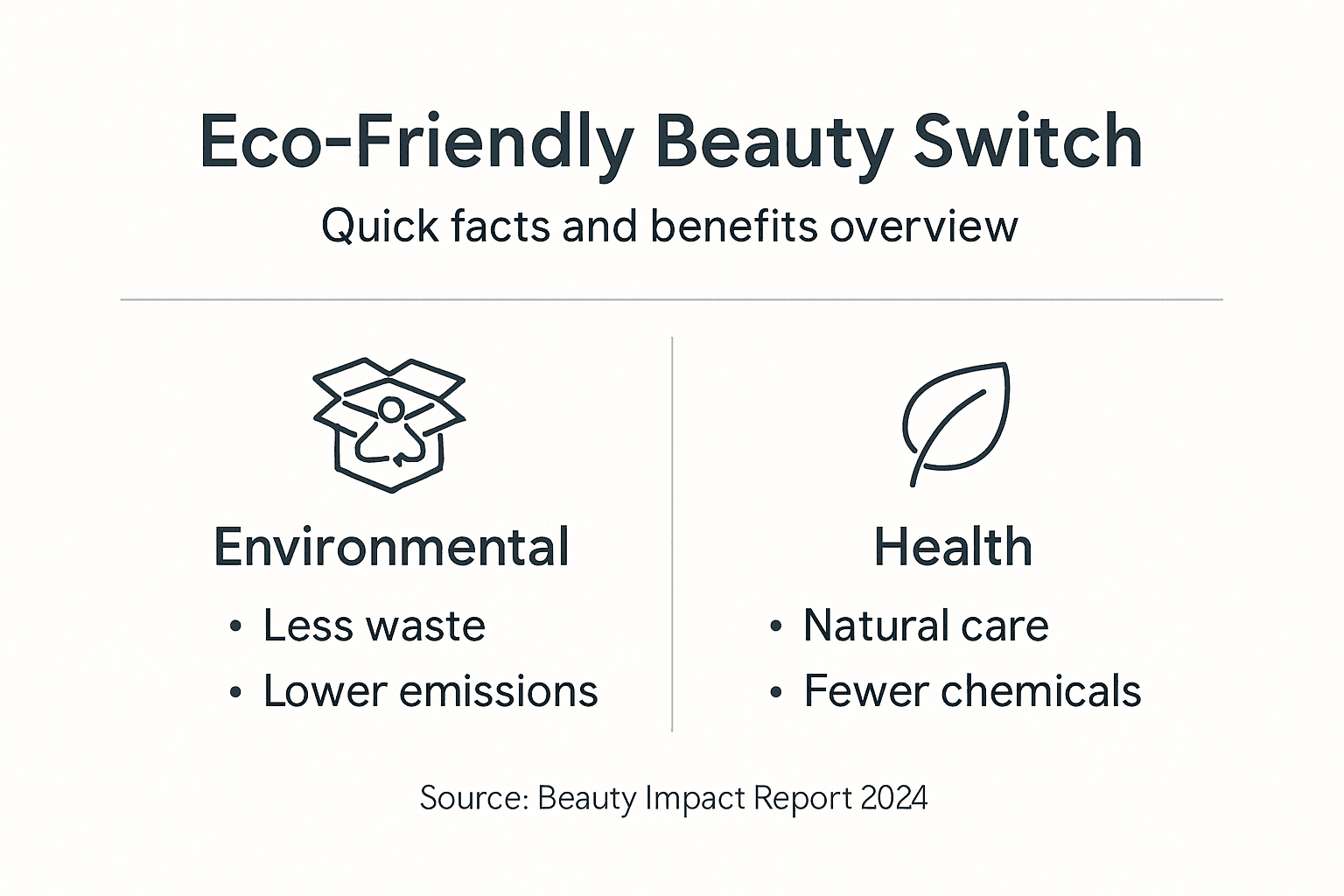
Pillar one examines environmental impact. This includes packaging materials, production carbon footprint, and waste reduction strategies. Look for specific commitments like carbon neutrality targets or plastic-free packaging. Vague claims like “eco-conscious” without supporting details signal potential greenwashing.
Pillar two focuses on ingredient safety. Natural doesn’t automatically mean safe, and synthetic doesn’t always mean harmful. Evaluate toxicity data, allergen potential, and concentration levels. Reputable brands provide comprehensive ingredient information with scientific backing.
Pillar three assesses ethical sourcing. Fair trade certification, cruelty-free testing, and supply chain transparency demonstrate genuine commitment. These practices ensure environmental protection extends to social responsibility. The three pillars framework creates comprehensive evaluation criteria.
| Evaluation Criteria | Authentic Eco-Friendly | Greenwashing Indicators |
|---|---|---|
| Certifications | Multiple third-party verifications | Vague or self-created badges |
| Ingredient Disclosure | Complete list with concentrations | Partial disclosure or proprietary blends |
| Sourcing Transparency | Detailed supply chain information | Generic sustainability statements |
| Environmental Claims | Specific, measurable commitments | Broad claims without data |
Trusted certifications include:
- USDA Organic for agricultural ingredients meeting strict standards
- Leaping Bunny for verified cruelty-free testing practices
- B Corp certification for comprehensive social and environmental performance
- Fair Trade for ethical sourcing and worker treatment
- EWG Verified for ingredient safety and transparency
Research shows 75% of informed consumers trust these certifications when evaluating eco-friendly products. Use this framework systematically. Check certifications, review ingredient safety databases, and assess brand transparency before purchasing.
Pro tip: Prioritize brands publishing annual sustainability reports with specific metrics. This transparency demonstrates accountability and genuine commitment beyond marketing.
Consumer Perspectives and Brand Impact
Sustainability delivers measurable benefits for both consumers and brands. Real-world data reveals how eco-friendly practices strengthen customer relationships and market position. These outcomes validate choosing sustainable beauty.
Eco-Luxury: Sustainable Beauty Revolution | GNS Beauty documents that brands switching to sustainable formulations see a 25% increase in repeat customers. This loyalty stems from shared values creating emotional connections beyond product performance.
Consumer behavior reflects evolving priorities. People increasingly research brand ethics before purchasing. Transparency about environmental practices influences buying decisions as much as product efficacy. Certifications and clear sustainability commitments attract value-driven customers willing to invest in premium products.
The brand sustainability impact extends to market differentiation. As sustainability becomes standard, early adopters gain competitive advantage. These brands build reputations as industry leaders, attracting partnerships and media attention.
Key consumer trends driving this shift:
- Younger demographics prioritize sustainability in purchasing decisions
- Social media amplifies brand accountability and transparency expectations
- Subscription models reward brands demonstrating consistent ethical practices
- Community building around shared values strengthens customer retention
Brands investing in ethical sourcing and eco formulations create lasting customer relationships. This approach transforms transactions into ongoing conversations about shared priorities. Sustainability becomes part of brand identity rather than a marketing add-on.
The premium self-care market particularly embraces this evolution. Consumers seeking luxury experiences want products reflecting sophisticated values. Sustainability enhances rather than diminishes the premium positioning. Quality, efficacy, and ethics merge into comprehensive value propositions.
Practical Steps to Transition to Eco-Friendly Beauty Products
Transforming your beauty routine requires strategic planning rather than immediate overhaul. These steps guide gradual, sustainable changes that stick. Start where you’ll notice the most impact.
-
Research and prioritize certified eco-friendly products to avoid greenwashing. Use the three pillars framework to evaluate claims systematically. Focus on products you use daily first, as these create the most cumulative impact.
-
Evaluate ingredient lists focusing on clinically supported natural components. Check safety databases and research unfamiliar ingredients. Understanding what you’re putting on your skin builds confidence in switching.
-
Assess brand transparency regarding sourcing and environmental policies. Review company websites for sustainability reports and specific commitments. Contact customer service with questions about practices and certifications.
-
Start integrating eco-friendly products incrementally into daily self-care routines. Replace items as they run out rather than discarding functional products. This approach reduces waste while easing the transition.
The transition to eco-friendly beauty products works best as a gradual process. Allow time to test products and observe how your skin responds. Natural formulations may require adjustment periods as your skin adapts.
Track your experience systematically. Note changes in skin texture, hydration, and any sensitivity issues. This monitoring helps identify which products work best for your unique needs. Adjust selections based on results rather than assumptions.
Consider starting with categories where natural alternatives excel. Cleansers, moisturizers, and serums often transition smoothly. These foundational products establish your sustainable routine before addressing specialized items.
Pro tip: Keep a simple journal tracking product efficacy and skin response. This data helps refine your selections and identifies patterns you might otherwise miss.
Elevate Your Self-Care with Premium Eco-Friendly Products
Your journey toward sustainable beauty deserves trusted guidance and curated selections. We’ve assembled premium eco-friendly products combining efficacy with environmental responsibility. Each item meets rigorous standards for ingredients, sourcing, and performance.
Explore our comprehensive eco-friendly beauty guide for detailed insights into conscious choices. Discover must-have beauty products selected for quality and sustainability. Learn how to make ethical beauty choices without compromising the luxury you deserve.
Transform your self-care routine into an expression of your values. Premium sustainability means experiencing exceptional results while supporting environmental protection. Start your sustainable beauty journey today with products designed for conscious consumers.
Frequently Asked Questions
What’s the difference between natural and eco-friendly beauty products?
Natural refers to ingredient origin, focusing on plant-based or mineral components. Eco-friendly encompasses broader sustainability including packaging, production methods, and ethical sourcing. A product can be natural without being eco-friendly if packaged unsustainably or sourced irresponsibly.
How do I identify legitimate sustainability certifications?
Look for third-party certifications like USDA Organic, Leaping Bunny, B Corp, or EWG Verified. These require independent audits and ongoing compliance. Research the certifying organization’s standards and verify certificates on their official databases to confirm authenticity.
Are eco-friendly products always more expensive than conventional beauty items?
Not necessarily. While some premium sustainable brands command higher prices, many eco-friendly options match or undercut conventional products. Price reflects ingredient quality, ethical sourcing, and fair wages rather than inefficiency. The market offers sustainable choices across all price points.
Where can I verify ingredient safety in beauty products?
The Environmental Working Group’s Skin Deep database provides comprehensive ingredient safety ratings. The Campaign for Safe Cosmetics offers resources for toxic chemical identification. Many brands now publish ingredient sourcing information and third-party testing results on their websites for transparency.
Do eco-friendly products work as well as traditional luxury beauty items?
Yes, research shows 68% of users report equal or superior performance with eco-friendly products. Advances in natural formulation science have closed any historical performance gaps. Many premium brands now prioritize sustainability while maintaining or exceeding conventional product efficacy.






Leave a comment
All comments are moderated before being published.
This site is protected by hCaptcha and the hCaptcha Privacy Policy and Terms of Service apply.