

Switching to refillable grooming products can cut plastic waste by 80%, transforming your bathroom routine from an environmental burden into a sustainability statement. Yet, finding grooming essentials that deliver both luxury performance and genuine eco-credentials remains challenging for conscious consumers. This guide equips you with the knowledge to build a premium, sustainable grooming routine confidently.
Table of Contents
- Understanding Eco-Friendly Grooming: Definition And Criteria
- Key Sustainable Ingredients And Ingredients To Avoid
- Sustainability Certifications And Standards In Grooming Products
- Packaging Innovations And End-Of-Life Considerations
- Common Misconceptions About Eco-Friendly Grooming
- Balancing Luxury With Sustainability: Premium Eco-Friendly Grooming
- Practical Steps To Build An Eco-Friendly Grooming Routine
- Explore Premium Eco-Friendly Grooming Products For Your Routine
Key Takeaways
| Point | Details |
|---|---|
| Eco-friendly grooming criteria | Products must feature biodegradable ingredients, sustainable packaging, and reduced environmental impact across their lifecycle. |
| Ingredient transparency matters | Not all natural ingredients are sustainable; water footprint and sourcing practices determine true environmental impact. |
| Premium sustainability success | Luxury brands achieve 40% carbon footprint reductions through transparent sourcing and zero-plastic packaging innovations. |
| Certification verification | USDA Organic, COSMOS, and Ecocert represent rigorous standards worth seeking in grooming products. |
| Practical routine building | Assess current products, prioritize refillable packaging, adopt multi-functional items, and support transparent brands. |
Understanding Eco-Friendly Grooming: Definition and Criteria
Eco-friendly grooming represents more than swapping conventional products for green-labeled alternatives. It encompasses a holistic approach to personal care that minimizes environmental harm throughout a product’s entire lifecycle, from ingredient cultivation to post-use disposal.
Three fundamental pillars define truly sustainable grooming products. First, ingredient sustainability ensures raw materials are harvested responsibly without depleting ecosystems or exploiting labor. Second, packaging sustainability demands materials that either biodegrade safely or enable repeated use through refillable systems. Third, mindful consumer behavior completes the equation, as purchase decisions and usage patterns directly influence industry practices.
Your daily grooming routine creates ripples far beyond your bathroom. The average person generates approximately 70 pounds of bathroom plastic waste annually, much of which resists decomposition for centuries. Water usage during manufacturing adds another layer of impact, with some grooming product production consuming thousands of gallons per batch.
Recognizing these criteria empowers you to evaluate products critically:
- Biodegradable formulations that break down safely in water systems
- Packaging made from recycled materials or designed for refilling
- Transparent supply chains with third-party sustainability verification
- Minimal water consumption during production and use
- Carbon-neutral or negative manufacturing processes
When you understand these fundamentals, ingredient labels transform from confusing chemical lists into meaningful sustainability scorecards.
Key Sustainable Ingredients and Ingredients to Avoid
Ingredient sustainability extends beyond organic certification. The most environmentally responsible formulations combine renewable plant-based components with minimal processing requirements and low resource demands during cultivation.
Sustainable grooming ingredients typically include certified organic jojoba oil, sustainably harvested shea butter, bamboo extracts, and plant-based glycerin. These materials regenerate quickly, require modest water inputs, and support biodiversity when sourced responsibly. Look for Fair Trade certification alongside organic labels to ensure ethical harvesting practices.
Conversely, several ingredients marketed as natural carry hidden environmental costs. Some natural oils require up to 4000 liters of water per kilogram, challenging assumptions about sustainability. Palm oil derivatives remain particularly problematic despite improvements in certification programs, as deforestation for plantations continues threatening biodiversity hotspots.
| Sustainable Ingredient | Environmental Benefit | Ingredient to Avoid | Environmental Concern |
|---|---|---|---|
| Certified organic jojoba | Low water use, biodegradable | Conventional palm oil | Deforestation, habitat loss |
| Bamboo extract | Rapid regeneration, minimal inputs | Microplastic exfoliants | Ocean pollution, bioaccumulation |
| Plant-based glycerin | Renewable, biodegradable | Water-intensive argan oil | Excessive water consumption |
| Fair Trade shea butter | Ethical sourcing, community support | Synthetic fragrances | Aquatic toxicity, persistence |
The “natural equals sustainable” myth persists despite evidence. Ingredients like rosewood oil and certain seaweed extracts face overharvesting pressures that threaten species survival. Meanwhile, some lab-synthesized alternatives actually reduce environmental impact compared to resource-intensive natural extraction.
Pro Tip: Check the water footprint and regeneration rate of natural ingredients, not just their organic status, when selecting eco-friendly personal care tools.
Sustainability Certifications and Standards in Grooming Products
Certification labels serve as your shortcut through marketing noise, but understanding their varying rigor levels prevents greenwashing deception. Legitimate third-party certifications require extensive documentation, regular audits, and transparent supply chain verification.
USDA Organic certification sets stringent standards for agricultural ingredients, prohibiting synthetic pesticides and requiring soil health maintenance. COSMOS certification goes further, evaluating both ingredients and manufacturing processes for sustainability while setting minimum thresholds for organic content. Ecocert adds social responsibility criteria, ensuring fair labor practices alongside environmental protection.
Not all eco-labels carry equal weight. Self-created certification programs lack independent verification, allowing brands to set convenient standards. Regional certifications may apply rigorous standards within their jurisdiction but prove difficult to verify internationally. You gain confidence by prioritizing globally recognized programs with public standards documentation.
Key certification criteria worth investigating include:
- Independent third-party auditing requirements
- Percentage thresholds for certified organic ingredients
- Prohibited substance lists and their comprehensiveness
- Supply chain transparency and traceability mandates
- Renewal frequency and ongoing compliance verification
Consumer trust correlates directly with certification transparency. A 2025 survey found 73% of eco-conscious consumers verify certification authenticity before purchasing premium grooming products. Brands that prominently display certification details and provide easy verification access build loyalty among discerning shoppers.
Ingredient transparency extends beyond certification. The most trustworthy brands publish complete ingredient sourcing information, disclose water usage metrics, and share carbon footprint calculations. This openness allows you to select eco-friendly grooming products that align with your specific environmental priorities.
Packaging Innovations and End-of-Life Considerations
Packaging determines whether your grooming routine contributes to landfills or participates in circular economy systems. Material choice, disposal pathways, and consumer behavior collectively shape packaging’s environmental footprint.
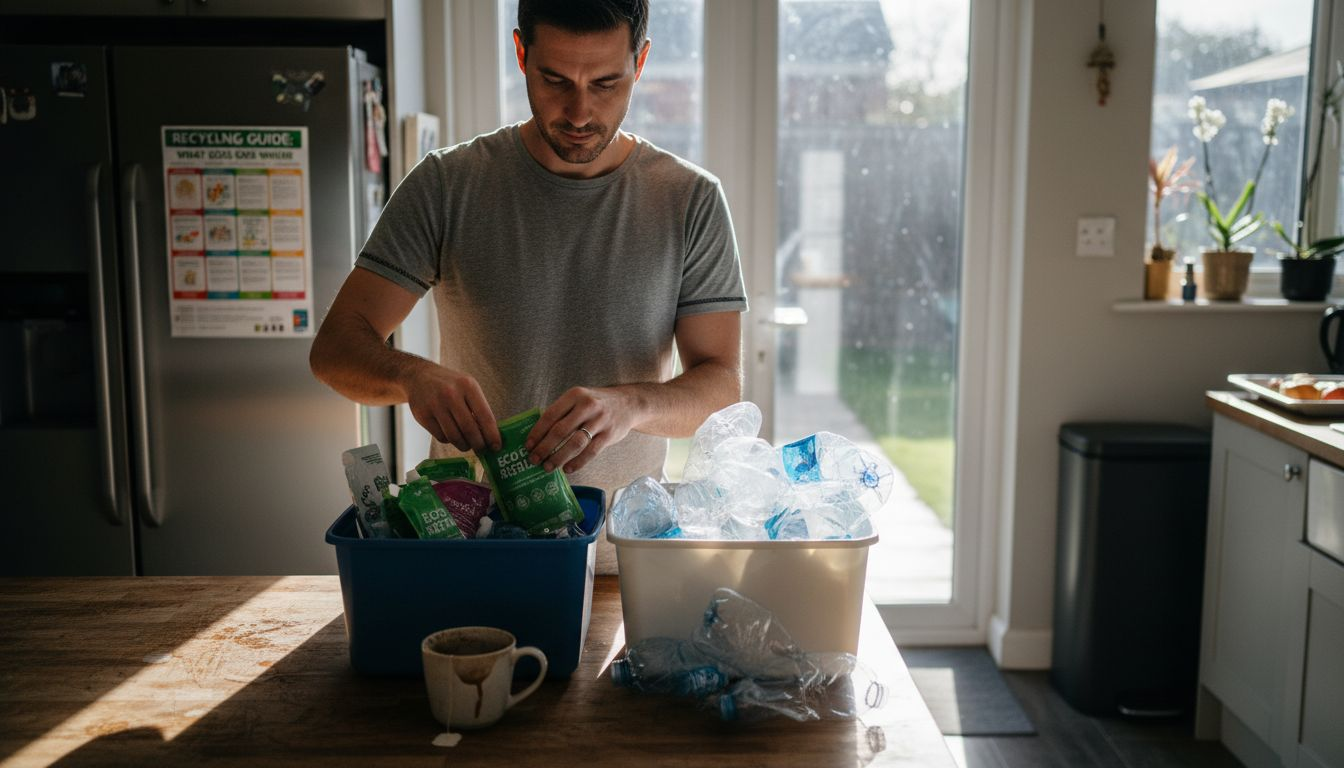
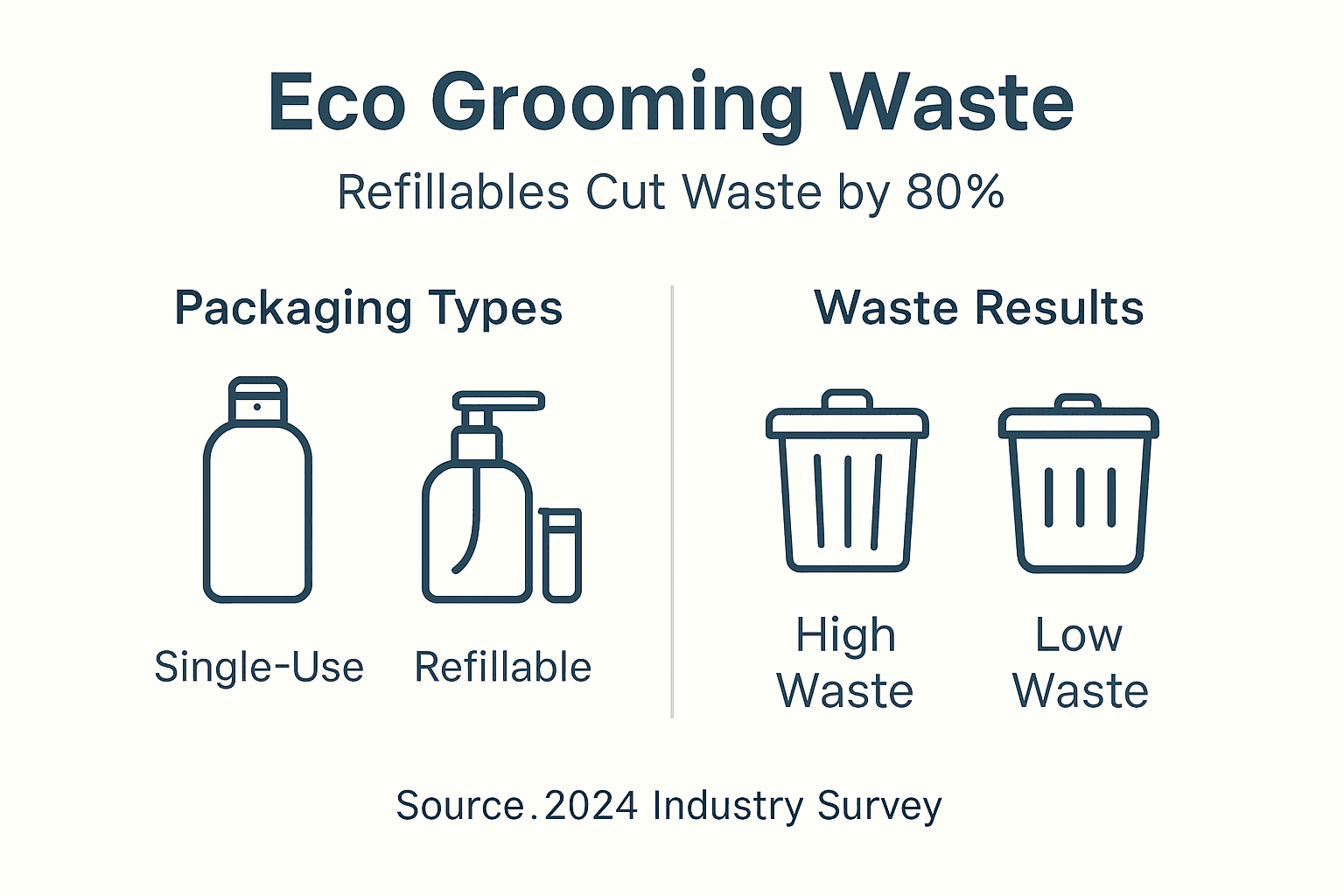
Three primary packaging categories dominate the grooming market. Single-use plastic containers offer convenience but persist in environments for centuries after disposal. Biodegradable packaging promises eco-friendly breakdown yet often requires specific composting conditions unavailable to most consumers. Refillable systems deliver the greatest impact reduction when combined with accessible refill infrastructure.
| Packaging Type | Waste Reduction Potential | Typical End-of-Life | Consumer Action Required |
|---|---|---|---|
| Single-use plastic | 0% (baseline) | Landfill or ocean | Standard disposal |
| Biodegradable | 30-50% | Industrial composting | Facility access |
| Refillable | 80% | Container reuse | Refill purchase |
| Recycled plastic | 20-30% | Recycling stream | Proper sorting |
Refillable packaging can reduce plastic waste by up to 80% compared to single-use containers when consumers consistently choose refills. This dramatic reduction stems from eliminating repeated production of primary packaging while maintaining product protection and luxury presentation standards.
Innovative packaging solutions continue emerging. Solid product formats like shampoo bars eliminate liquid packaging entirely while delivering concentrated formulations that reduce shipping emissions. Aluminum containers offer infinite recyclability without quality degradation. Post-consumer recycled ocean plastic transforms pollution into functional packaging.
Consumer behavior significantly influences packaging sustainability outcomes. Properly cleaning containers before recycling, participating in brand take-back programs, and choosing concentrated formulations all amplify waste reduction. Your local recycling infrastructure capabilities should guide packaging material preferences.
Pro Tip: Prioritize eco-friendly personal care packaging with refill options, then verify your municipality accepts the materials before recycling.
Common Misconceptions About Eco-Friendly Grooming
Misconceptions around sustainable grooming create confusion that delays meaningful environmental action. Clearing these myths empowers confident product selection aligned with genuine sustainability goals.
Myth 1: Natural ingredients automatically ensure environmental friendliness. Reality reveals that cultivation methods, water requirements, and harvesting impacts vary dramatically among natural ingredients. Conventional cotton farming consumes enormous water volumes and pesticide quantities, while organic alternatives significantly reduce both. Geographic origin matters too, as shipping distances add carbon emissions that offset local sustainability gains.
Myth 2: Eco-friendly grooming products command premium prices beyond budget constraints. Accessible sustainable options proliferate as demand increases and production scales. Many refillable systems cost less long-term despite higher initial container investment. Concentrated formulations deliver more applications per package, reducing per-use costs below conventional products.
Myth 3: All eco-certifications maintain equivalent standards and verification rigor. Certification programs span a wide quality spectrum from self-created marketing labels to stringent third-party audited standards. Understanding certification hierarchies prevents greenwashing deception and ensures your purchases support genuinely sustainable practices.
Additional misconceptions worth dispelling:
- Sustainable products sacrifice performance for environmental benefits (modern formulations match or exceed conventional efficacy)
- Small packaging changes create negligible impact (collective consumer choices drive industry transformation)
- Luxury and sustainability remain mutually exclusive (premium brands increasingly lead sustainability innovation)
- Biodegradable always means eco-friendly (requires proper disposal conditions often unavailable)
Marketing claims exploit these misconceptions. Terms like “eco-conscious,” “green,” and “earth-friendly” lack regulated definitions, allowing brands to apply them without substantiation. Critical evaluation of common misconceptions in eco-friendly grooming protects against misleading claims while supporting truly sustainable brands.
Balancing Luxury with Sustainability: Premium Eco-Friendly Grooming
Luxury grooming brands increasingly demonstrate that sustainability enhances rather than compromises premium experiences. Strategic sourcing, transparent practices, and innovative packaging deliver environmental benefits without sacrificing sensory pleasure or efficacy.
A premium grooming brand reduced its carbon footprint by 40% in two years through ingredient transparency, sustainable sourcing, and zero-plastic packaging. This transformation maintained luxury positioning while attracting environmentally conscious consumers willing to invest in aligned values.
Premium grooming brands achieve 40% carbon footprint reductions while preserving luxury through transparent sourcing, biodegradable formulations, and refillable glass packaging that elevates bathroom aesthetics.
Sustainable luxury sourcing prioritizes rare botanicals harvested through regenerative agriculture that improves soil health with each harvest cycle. Fair Trade partnerships ensure communities benefit economically from ingredient cultivation, creating social sustainability alongside environmental protection. Traceability systems allow brands to document each ingredient’s journey from field to formulation.
Zero-plastic packaging innovations redefine luxury presentation. Weighted glass containers with metal accents deliver premium tactile experiences while enabling infinite refills. Minimalist design aesthetics communicate sophistication through restraint rather than excess. Magnetic closure systems and precision dispensers add functional luxury that enhances daily rituals.
Consumer preferences increasingly favor sustainable luxury. A 2026 market analysis found 68% of premium grooming consumers prioritize environmental credentials equal to or above traditional luxury indicators like packaging opulence or exotic ingredients. This shift rewards brands that authentically integrate sustainability into their core identity.
Strategies luxury brands employ to balance quality with sustainability:
- Concentrated formulations requiring smaller packaging and fewer applications
- Waterless products eliminating preservation challenges and shipping weight
- Renewable energy powered manufacturing facilities
- Carbon offset programs for unavoidable emissions
- Closed-loop ingredient sourcing from organic waste streams
You can access these premium eco-friendly grooming brands without compromising the self-care rituals that enhance wellbeing and confidence.
Practical Steps to Build an Eco-Friendly Grooming Routine
Transitioning to sustainable grooming requires strategic assessment and incremental changes rather than overwhelming overhauls. These practical steps guide your journey toward environmental responsibility without sacrificing personal care quality.
-
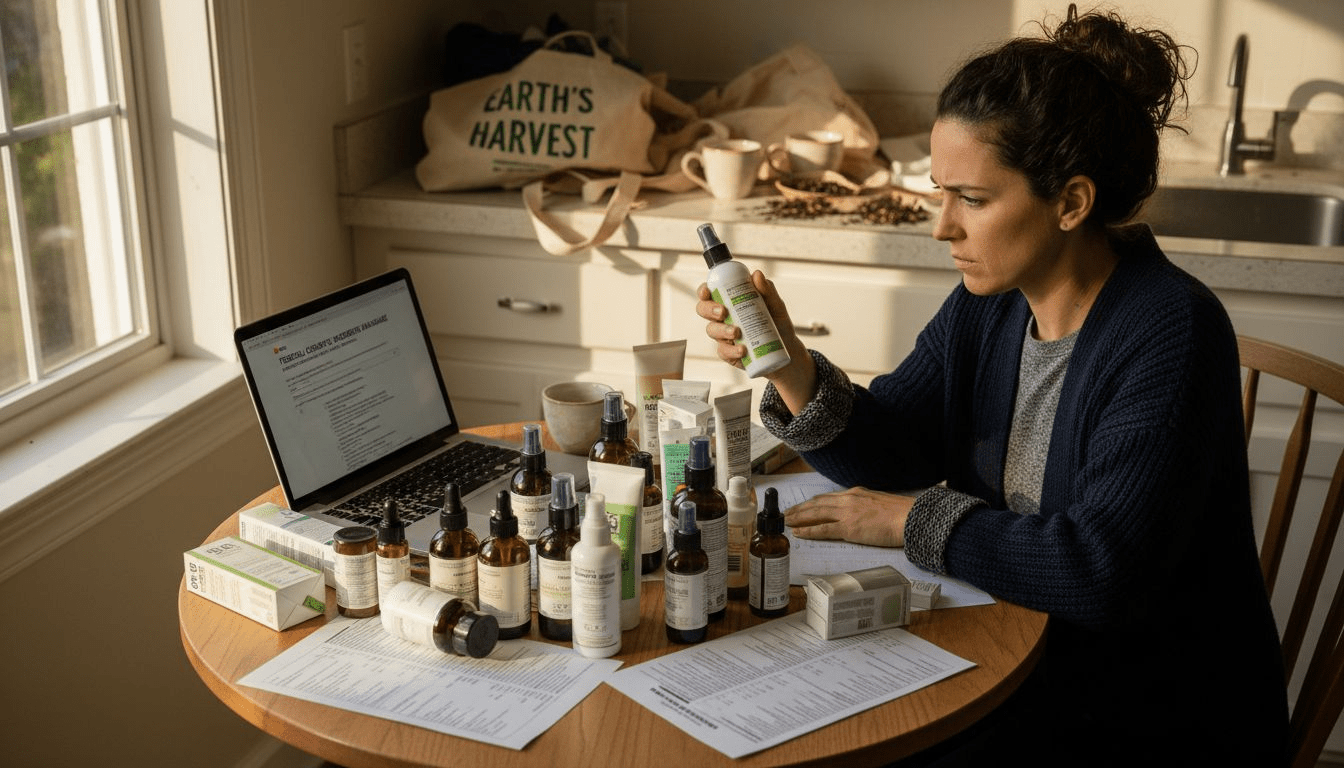
Audit your current grooming products by examining ingredient lists, packaging materials, and certification labels. Identify which items meet sustainability criteria and which require replacement. Document water usage during your grooming routine to establish a baseline for reduction.
-
Prioritize replacements starting with products you use most frequently, as these generate the greatest cumulative impact. Choose certified organic formulations with refillable or biodegradable packaging. Research brand sustainability commitments beyond marketing claims by reviewing third-party assessments and carbon disclosure reports.
-
Adopt minimalist, multi-functional approaches that reduce product proliferation. Select grooming essentials serving multiple purposes, like oil-based cleansers that remove makeup and cleanse skin simultaneously. Concentrated products requiring dilution before use minimize packaging waste while extending replacement cycles.
-
Support brands demonstrating transparent sustainability commitments through published ingredient sourcing information, manufacturing process disclosures, and measurable environmental impact reductions. Vote with your wallet to incentivize industry-wide improvements. Participate in brand take-back programs and refill systems when available.
Implementation strategies enhance success:
- Set realistic replacement timelines that avoid waste from discarding functional products prematurely
- Join refill programs offering subscription convenience and cost savings
- Explore solid alternatives like shampoo bars and concentrated balms
- Install water-saving shower fixtures reducing grooming routine consumption
- Choose products packaged in materials your local recycling system accepts
Pro Tip: Schedule quarterly routine reviews to incorporate emerging sustainable innovations and reassess whether your eco-friendly grooming routine tips align with evolving environmental priorities.
Your sustainable grooming routine creates ripple effects beyond personal environmental impact. Consumer demand signals encourage broader industry transformation, while your visible commitment inspires others toward sustainable choices. Start selecting eco-friendly grooming products today to align daily rituals with environmental values.
Explore Premium Eco-Friendly Grooming Products for Your Routine
Ready to transform your grooming routine with sustainable luxury that delivers genuine environmental benefits? GNS Beauty curates premium eco-friendly grooming essentials that meet rigorous sustainability standards without compromising performance or sensory experience.
Our collection features certified organic formulations, refillable packaging systems, and biodegradable containers from brands leading sustainability innovation. Each product undergoes careful evaluation for ingredient transparency, packaging circularity, and manufacturing environmental impact. You gain confidence knowing your grooming choices support measurable waste reduction and ethical sourcing practices.
Discover must-have beauty products that elevate self-care rituals while reducing environmental footprints. Explore our selection of eco-friendly personal care tools designed to revolutionize daily routines through sustainable innovation. Transform your bathroom into a sanctuary of conscious luxury that reflects your values and enhances wellbeing.
FAQ
What are the top three certifications to look for in eco-friendly grooming products?
USDA Organic, COSMOS, and Ecocert represent the most rigorous sustainability certifications for grooming products. USDA Organic verifies agricultural ingredient standards, COSMOS evaluates entire manufacturing processes, and Ecocert adds social responsibility criteria. These third-party verified programs require transparent documentation and regular audits, unlike self-created eco-labels.
How can I reduce plastic waste in my grooming routine effectively?
Switch to refillable packaging systems that cut waste by 80% compared to single-use containers. Choose products with biodegradable packaging or recyclable aluminum containers. Participate in brand take-back programs and explore solid grooming alternatives like shampoo bars that eliminate packaging entirely.
Are eco-friendly grooming products necessarily more expensive?
Many sustainable grooming brands offer competitive pricing that matches or undercuts conventional luxury products. Refillable systems and concentrated formulations often cost less long-term despite higher initial investment. The growing sustainable grooming market increases accessibility across price points, making eco-friendly choices available for various budgets.
Is ‘natural’ always better for the environment in grooming products?
Natural ingredients vary dramatically in environmental impact based on water requirements, cultivation methods, and harvesting sustainability. Some natural oils demand thousands of liters of water per kilogram, while certain synthetic alternatives reduce resource consumption. Always verify sustainability certifications and ingredient sourcing transparency rather than relying on natural claims alone.






Leave a comment
All comments are moderated before being published.
This site is protected by hCaptcha and the hCaptcha Privacy Policy and Terms of Service apply.