

Sorting through wellness trends can feel confusing when everyone claims their way is the only path to feeling good. The truth is, real holistic wellness goes far beyond green smoothies and fitness challenges and embraces every part of your experience—physical, mental, social, emotional, and spiritual. The World Health Organization describes health as a ‘state of complete physical, mental, and social well-being and not merely the absence of disease or infirmity.’ This holistic mindset empowers you to make self-care choices that treat you as a whole person, helping you recognize the genuine power of integrated eco-friendly products in your daily routine.
Table of Contents
- Defining Holistic Wellness And Common Myths
- Core Principles Of Holistic Health Approaches
- Key Types Of Holistic Wellness Practices
- Benefits For Mind, Body, And Spirit
- Incorporating Holistic Wellness Into Daily Life
Key Takeaways
| Point | Details |
|---|---|
| Holistic Wellness is Comprehensive | It encompasses physical, mental, emotional, and spiritual well-being, recognizing their interconnectedness. |
| Myths About Holistic Wellness | It does not exclude conventional medicine; rather, it integrates multiple approaches for better overall health. |
| Personalization is Key | Holistic health strategies must be tailored to individual needs, as everyone’s wellness journey differs. |
| Small Changes Matter | Incorporating simple, consistent actions in daily routines fosters sustainable wellness transformations over time. |
Defining Holistic Wellness and Common Myths
Holistic wellness isn’t just a buzzword thrown around in yoga studios and wellness blogs. According to the World Health Organization, health itself is defined as “a state of complete physical, mental, and social well-being and not merely the absence of disease or infirmity.” That definition is key because it already hints at what holistic wellness truly means: a comprehensive approach that treats you as a whole person, not as isolated body systems that happen to share the same address. When you embrace holistic wellness, you’re acknowledging that your mental state affects your physical health, your emotional well-being influences your energy levels, and your spiritual sense of purpose shapes how you care for yourself overall. This integrated framework challenges the old model where doctors treat only symptoms and ignore the interconnected nature of human health. It’s about recognizing that lasting wellness requires attention to every dimension of yourself.
One of the biggest myths about holistic wellness is that it means abandoning conventional medicine in favor of alternative treatments alone. That’s not how it works. True holistic wellness actually blends multiple approaches, including Western medicine, traditional healing practices, and evidence-based wellness strategies. Think of it this way: if you have a bacterial infection, antibiotics serve a real purpose. But alongside treatment, addressing your stress levels, sleep quality, nutrition, and emotional well-being accelerates recovery and prevents future illness. Another widespread misconception is that wellness is a fixed destination you reach and then maintain forever. Real wellness is dynamic and ongoing. Your needs shift with seasons, life events, relationships, and personal growth. What supports your well-being at 25 looks different at 35, and that’s perfectly normal. People also mistakenly believe that holistic wellness is purely about physical health practices like exercise and clean eating. While those matter, they represent only one piece. Mental clarity, emotional resilience, meaningful relationships, and a sense of purpose are equally critical to your overall wellness. When you neglect your emotional or spiritual dimensions, even the most expensive supplements and rigorous workout routines fall short.
The real power of holistic wellness lies in its recognition that you can’t compartmentalize health. Stress affects digestion. Poor sleep undermines your immune system. Lack of purpose drains your motivation to exercise. Your relationships influence your cortisol levels. Understanding these connections means you can address root causes rather than chasing symptoms endlessly. At GNS Beauty, this philosophy informs every product we curate, because true wellness extends beyond skincare and fitness to encompass how you feel about yourself when you use quality, eco-conscious products that align with your values. When your personal care routine reflects your commitment to sustainability and natural ingredients, it becomes a form of self-respect that nourishes your mental and emotional well-being alongside your physical health.
Pro tip: _Start mapping your personal wellness dimensions this week by identifying one small action in each area: physical (movement or nutrition), mental (learning or creativity), emotional (connection or expression), and spiritual (reflection or purpose). Small consistent actions across all four areas create momentum faster than perfection in just one.
Core Principles of Holistic Health Approaches
Holistic health operates on a fundamentally different framework than traditional medicine. Instead of isolating a single symptom or diseased organ, holistic approaches recognize that your body functions as an interconnected system where biological, behavioral, and social factors work together to determine your overall health status. When you’re stressed at work, that mental pressure directly impacts your digestion, sleep quality, and immune function. When you lack meaningful social connections, your motivation to exercise drops and your inflammation markers rise. This interconnectedness means that addressing only one aspect of health without considering the others creates incomplete results. A holistic approach acknowledges these complex relationships and designs interventions that work across multiple systems simultaneously. Your wellness practitioner doesn’t just prescribe medication and send you on your way; they coordinate with other providers, ask about your lifestyle, explore your emotional state, and consider environmental factors that might be affecting you.

The core principles that guide holistic health include personalization, prevention, and active participation. Personalization means recognizing that your wellness needs differ from your neighbor’s, even if you share similar symptoms. A 30-year-old athlete managing stress through running might require different nutritional support than a 50-year-old office worker managing the same stress through meditation. Prevention shifts your focus from waiting until disease develops to actively building resilience before problems emerge. You’re not waiting for high blood pressure to appear; you’re managing sodium intake, reducing stress, and moving your body regularly to prevent it from developing in the first place. Active participation is crucial because your healthcare providers can offer guidance, but you’re the one living your life 24 hours a day. Real change happens when you understand why you’re making specific choices and commit to them because they align with your values. This is where eco-conscious personal care products fit naturally into your wellness routine. When you choose natural, sustainable beauty and personal care items, you’re actively participating in your holistic health by eliminating unnecessary chemicals, supporting ethical brands, and making choices that reflect your commitment to environmental well-being alongside personal well-being.
Holistic health also emphasizes integration across all dimensions of your life. This means your physical fitness routine connects to your mental clarity, your skincare practice influences your self-confidence, and your dietary choices affect your energy for relationships and work. Many people treat wellness like separate compartments: they hit the gym on Monday, ignore stress on Tuesday, eat poorly on Wednesday, and wonder why they feel exhausted by Friday. True holistic integration means these areas support each other. Your morning movement practice settles your nervous system, which improves your focus at work, which reduces stress-related eating, which gives you more energy for evening social time. The specific strategies might vary based on your individual circumstances, but the principle remains constant: every choice you make either supports your whole person wellness or undermines it. Building this integrated approach requires consistency and intentionality, but the payoff is sustainable, genuine wellness that permeates every area of your life rather than isolated improvements that fade when you stop focusing on them.
Pro tip: Map your personal interconnections this week by identifying one action you can take that simultaneously supports your physical, mental, emotional, or spiritual health, then track how positive changes in one area naturally ripple into improvements elsewhere.
Key Types of Holistic Wellness Practices
Holistic wellness encompasses a diverse range of practices, each addressing different dimensions of your health. The landscape includes mind-body therapies like yoga and meditation, which calm your nervous system while building physical strength. Traditional systems such as Ayurveda and traditional Chinese medicine operate from centuries of accumulated knowledge about how energy, balance, and seasonal rhythms affect wellness. Manual therapies like massage and chiropractic care address physical tension and alignment issues. Biologically based practices focus on nutrition, herbal medicine, and supplementation to nourish your body from within. Energy therapies like Reiki work with your body’s subtle energy systems. What makes these practices genuinely holistic rather than isolated treatments is how integrative health approaches combine multiple modalities with conventional medicine to address your whole person rather than treating symptoms in isolation. You’re not choosing between conventional medicine or alternative approaches; integrative health recognizes that different tools serve different purposes, and the most effective wellness strategy often involves combining approaches thoughtfully.
Specific practices you might explore include acupuncture, which stimulates specific points on your body to restore energy flow and reduce pain. Meditation and mindfulness train your mind to remain present, reducing anxiety and improving emotional resilience. Yoga strengthens your body while simultaneously calming your mind through breathwork and intentional movement. Nutritional therapy views food as medicine, understanding how different nutrients support your specific health goals and constitutional type. Herbal medicine harnesses plant compounds to support your body’s natural healing processes. Massage therapy releases physical tension while promoting relaxation and improving circulation. Biofeedback teaches you to recognize and influence your body’s stress responses. Each practice offers specific benefits, but their true power emerges when you weave them together. Someone managing chronic stress might combine meditation for mental clarity, yoga for physical release, herbal adaptogens for nervous system support, and regular massage for physical relaxation. The key is identifying which practices resonate with your body and lifestyle, then integrating them into sustainable routines. This is where your personal care choices matter too, because using holistic beauty habits that align with your wellness philosophy reinforces your commitment to whole-person care across every aspect of your routine.
The beauty of exploring different holistic wellness practices is discovering what actually works for your unique body and circumstances. What transforms one person’s health might feel ineffective for another, and that’s perfectly normal. Your starting point might be as simple as adding a daily meditation practice or trying massage therapy for tension relief. From there, you naturally discover what else your body needs. Maybe you notice that when you practice yoga regularly, your digestion improves and your sleep deepens. Maybe you realize that herbal tea rituals give you emotional grounding that supports your mental health. The practices aren’t rigid prescriptions but rather tools in your wellness toolkit that you can customize based on your evolving needs. This flexibility is what makes holistic wellness sustainable long-term, especially when combined with high-quality, eco-conscious personal care products that support your physical health without introducing unnecessary chemicals into your body. When every choice you make, from your skincare routine to your movement practices to your nutritional choices, aligns with your wellness vision, you build genuine momentum that compounds over time.
Here’s a comparison of holistic wellness practices and the dimensions they support:
| Practice | Physical Benefits | Mental/Emotional Benefits | Spiritual Benefits |
|---|---|---|---|
| Yoga | Flexibility, strength | Stress reduction, calm | Mind-body connection |
| Meditation | Improved sleep | Mental clarity, less anxiety | Sense of peace |
| Nutritional Therapy | Improved energy | Mood stabilization | Reverence for self-care |
| Massage Therapy | Reduced tension | Increased relaxation | Feeling nurtured |
| Herbal Medicine | Immune support | Reduced stress | Connection to nature |
| Mindfulness | Lower blood pressure | Emotional resilience | Present-moment awareness |
| Outdoor Movement | Cardiovascular health | Elevated mood | Connection to environment |
Pro tip: Start with one practice that genuinely interests you rather than trying everything simultaneously, then spend 30 days observing how it affects your energy, mood, and physical sensations before adding another practice to your routine.
Benefits for Mind, Body, and Spirit
When you commit to holistic wellness, the benefits ripple across every dimension of your life simultaneously. Your mind responds rapidly to intentional wellness practices. Meditation and mindfulness reduce anxiety by literally reshaping how your brain processes stress. Regular movement practices elevate neurotransmitters like serotonin and dopamine, naturally improving your mood without relying solely on medication. Better sleep quality, which holistic practices prioritize, sharpens your cognitive function and emotional regulation. You find yourself thinking more clearly, making better decisions, and responding to challenges with greater resilience instead of reacting from a place of overwhelm. The mental clarity that emerges from consistent wellness practices translates directly into improved focus at work, better relationships, and greater confidence in navigating life’s complexities. Your body transforms through holistic health strategies that address nutrition, movement, sleep, and hydration as foundational pillars rather than afterthoughts. When you nourish yourself with whole foods, move your body in ways that feel good, prioritize restorative sleep, and stay properly hydrated, your immune system strengthens, inflammation decreases, chronic disease risks plummet, and your energy stabilizes throughout the day. You notice your clothes fit differently, your skin glows, your digestion improves, and you recover faster from illness. These aren’t superficial changes but markers of genuine physiological improvement happening at the cellular level.
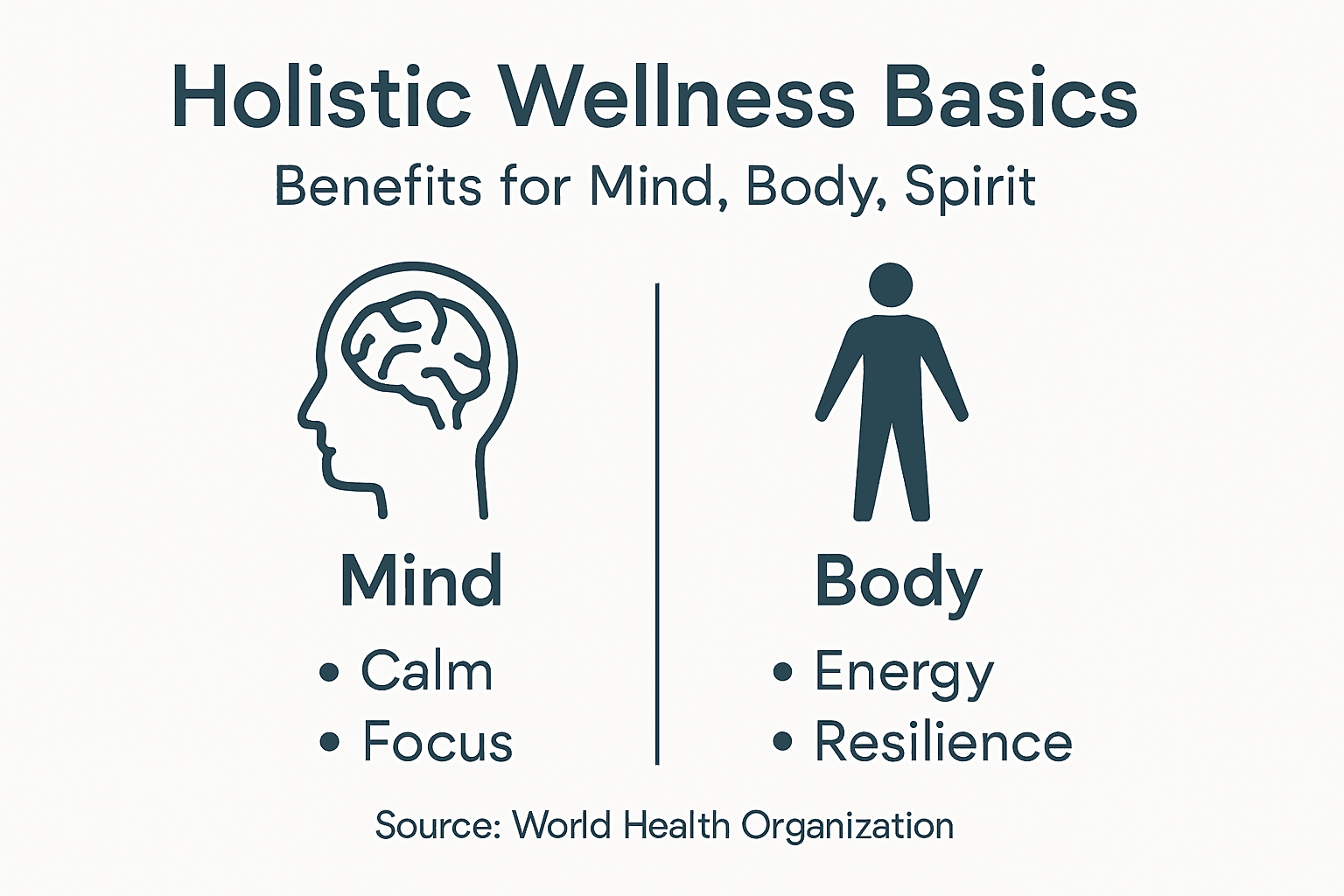
Your spirit deepens through holistic wellness in ways that might surprise you. When you move beyond survival mode and actually invest in practices that nourish your inner life, you naturally cultivate a sense of purpose and meaning. Whether through meditation, time in nature, creative expression, meaningful relationships, or spiritual practices aligned with your beliefs, holistic wellness creates space for the deeper questions: Who am I becoming? What matters most to me? How do I want to contribute to the world? This spiritual dimension isn’t separate from physical and mental health; it profoundly influences both. Someone with strong spiritual grounding possesses resilience that sustains them through difficulties. They experience motivation that propels them toward their wellness goals because those goals connect to their values. They find meaning in simple acts like preparing nourishing meals or moving their body, transforming routine activities into spiritual practice. The interconnection between mind, body, and spirit means improvements in one area accelerate progress in the others. When you practice yoga, you’re simultaneously strengthening your physical body, calming your anxious mind, and connecting with something larger than yourself. When you adopt a nutrition practice based on how foods genuinely make you feel, you’re honoring your body while respecting your relationship with food emotionally and spiritually.
The cumulative effect of holistic wellness is a quality of life that extends far beyond the absence of disease. You experience genuine vitality, confidence, and contentment. Your relationships improve because you show up with more emotional availability and patience. Your work performance elevates because your mind is clearer and your energy more stable. You make choices that align with your values, whether that’s selecting eco-conscious personal care products that support your health without compromising your environmental ethics or choosing movement practices that bring you joy rather than punishment. You sleep more deeply, laugh more easily, and feel more authentically yourself. These benefits aren’t fleeting improvements that fade when you stop trying; they’re sustainable transformations that compound over time as holistic practices become woven into the fabric of your daily life. The investment you make in your whole-person wellness returns dividends across every aspect of your existence.
Pro tip: Choose one dimension (mind, body, or spirit) that feels most neglected in your life right now, select one specific practice targeting that area, and commit to it for 21 days before expanding to other dimensions.
Incorporating Holistic Wellness Into Daily Life
The gap between understanding holistic wellness and actually living it can feel enormous. You finish reading about meditation benefits and think, “That sounds great, but when exactly am I supposed to fit this into my chaos?” The truth is that integrating wellness doesn’t require overhauling your entire life overnight or finding mysterious extra hours in your day. Instead, it involves making small, deliberate shifts that layer together over time. Start by identifying anchor points in your existing routine where wellness practices fit naturally. Morning coffee becomes meditation time. Your commute transforms into a walking opportunity. Your lunch break shifts into intentional eating instead of mindless scrolling. These aren’t additions; they’re recalibrations of time you’re already spending. The key is starting small enough that you actually stick with the practices rather than burning out after two weeks. Research on stress management and mindfulness practices shows that integrating wellness education into daily life involves fostering genuine confidence in your ability to manage your physical and mental health through accessible, evidence-based strategies.
Building a sustainable holistic wellness routine requires thinking systematically about different life domains. Your physical health foundation includes movement that feels enjoyable rather than punitive, nutrition that nourishes your body, and sleep that you prioritize as non-negotiable. Your mental health practice might include 10 minutes of meditation, journaling, or therapy. Your emotional wellness develops through meaningful relationships, creative expression, or time doing activities that bring you joy. Your spiritual grounding could involve time in nature, reflection practices, community service, or faith-based activities aligned with your values. Your environmental wellness extends to your physical surroundings and the products you bring into your life. This is where intentional choices about wellness routine ideas that support daily self-care matter. When you use high-quality, eco-conscious personal care products, you’re simultaneously caring for your physical body, supporting environmental health, and honoring your values. Your morning shower becomes an act of self-respect rather than a rushed routine. Your skincare ritual transforms into a moment of intentional presence rather than another task to check off.
The practical implementation looks different for everyone, but the framework remains consistent. Begin by conducting a honest audit of your current habits across all wellness domains. Where are you thriving, and where are you struggling? Maybe your physical fitness is solid but your spiritual life feels empty. Perhaps your relationships are strong but your stress management is nonexistent. This clarity helps you prioritize what to address first rather than trying to overhaul everything simultaneously. Then commit to one small change in your highest-priority area. Add 15 minutes of movement three times weekly. Start a five-minute daily meditation. Dedicate one evening to meaningful time with loved ones. Let that change stabilize for a few weeks before adding another. This sequential approach builds genuine momentum because each success creates confidence that carries forward. As your wellness practices expand, they begin supporting each other naturally. Better sleep improves your exercise performance. Regular movement reduces stress-related eating. Reduced stress deepens your relationships. Your commitment to natural, sustainable personal care products reinforces your wellness identity because every time you use them, you’re reminded of your commitment to caring for yourself and the planet.
The sustainability of holistic wellness comes from making it identity-aligned rather than willpower-dependent. You’re not forcing yourself through practices you dislike; you’re selecting practices that genuinely resonate with who you are and who you want to become. Someone who loves being outdoors prioritizes nature time and outdoor movement. Someone drawn to community emphasis relationships and group activities. Someone intellectually curious might explore wellness through learning and research. Your wellness approach should feel like an expression of yourself rather than punishment or obligation. When you reach this point, wellness stops being something you do and becomes something you are. Your choices naturally align with your values because honoring your whole-person health feels fundamentally important. That morning skincare routine becomes sacred space. That evening walk becomes non-negotiable. That weekly time with friends becomes nourishment rather than optional. This is when holistic wellness truly integrates into your daily life, no longer requiring constant decision-making but flowing naturally from who you’ve become.
Pro tip: Audit your current routine by listing one activity in each wellness domain (physical, mental, emotional, spiritual, environmental), then identify which area is most neglected and add one small practice there this week rather than trying to address everything simultaneously.
Below is a summary of holistic wellness domains and simple ways to incorporate them daily:
| Wellness Domain | Example Daily Action | Long-Term Impact |
|---|---|---|
| Physical | 15-min morning walk | More energy, better sleep |
| Mental | 10-min meditation | Increased focus, less anxiety |
| Emotional | Call a loved one | Stronger relationships |
| Spiritual | Reflect in nature | Greater sense of purpose |
| Environmental | Use natural skincare | Enhanced self-worth, sustainability |
Embrace True Holistic Wellness With GNS Beauty & Personal Care
Holistic wellness means caring for your mind, body, and spirit with intention and balance. If you struggle to find eco-conscious beauty and personal care products that support your commitment to whole-person health, we understand your challenge. You want products that align with your values, promote natural beauty, and enhance your wellbeing without compromising on quality or sustainability. At GNS Beauty & Personal Care, we specialize in offering a curated range of high-quality, sustainable essentials that complement an integrated wellness routine.

Discover how choosing natural skincare, fitness essentials, and wellness products from GNS Beauty can strengthen your holistic health journey today. Begin by exploring our thoughtfully selected personal care items that nurture not only your physical health but also your emotional and environmental wellbeing. Take the next step toward lasting vitality and confidence by visiting our full collection and make self-care an effortless, meaningful part of your daily life.
Frequently Asked Questions
What is holistic wellness?
Holistic wellness is a comprehensive approach to health that considers the interconnectedness of physical, mental, emotional, and spiritual well-being. It involves treating the whole person rather than just isolated symptoms to achieve complete health.
How does holistic wellness differ from traditional medicine?
Unlike traditional medicine, which often focuses on treating specific symptoms or diseases, holistic wellness emphasizes an integrated approach that combines multiple healing methods. This can include conventional medicine, alternative treatments, and lifestyle modifications.
What are some common practices in holistic wellness?
Common practices in holistic wellness include yoga, meditation, nutritional therapy, acupuncture, massage therapy, and herbal medicine. These practices aim to support various dimensions of health and well-being, promoting balance and harmony.
Why is holistic wellness important?
Holistic wellness is important because it fosters overall health and prevents illness by addressing the root causes of health issues. This integrated approach leads to improved physical health, reduced stress, enhanced emotional well-being, and a more meaningful life.
Recommended
- Holistic Grooming: Elevating Self-Care and Wellness
- How to Select Wellness Accessories for Confident Self-Care
- Holistic Beauty Explained: Complete Wellness Approach
- Complete Guide to Holistic Beauty Habits
- Holistic Hair Care in 2025: Grow Stronger, Healthier Hair | MyHair
- What Is a Haircare Ritual? Benefits for Modern Lifestyles – LUXEVA







Leave a comment
All comments are moderated before being published.
This site is protected by hCaptcha and the hCaptcha Privacy Policy and Terms of Service apply.