

More than 120 billion skincare and beauty packages are thrown away worldwide every year, with American urban centers among the top contributors to this mounting waste. For eco-conscious Millennials, especially those navigating city life, every empty bottle and pump dispenser feels like a personal setback in the journey toward a truly sustainable beauty routine. Discover practical strategies to help you cut down on skincare waste, reclaim value from overlooked products, and make smarter choices for your skin and the planet.
Table of Contents
- Understanding Skincare Waste and Its Impact
- Common Sources of Skincare Product Waste
- Sustainable Packaging and Circular Solutions
- Refillable, Reusable, and Upcycled Options
- Simplifying and Customizing Your Routine
- DIY, Upcycling, and Recycling Strategies
Key Takeaways
| Point | Details |
|---|---|
| Environmental Impact of Skincare Waste | The beauty industry produces significant waste through packaging and chemical byproducts, with many containers designed for single use, leading to extensive landfill contributions. |
| Importance of Sustainable Packaging | Adoption of refillable, reusable, and upcycled packaging can drastically reduce environmental footprints while offering practical alternatives to single-use products. |
| Personalization in Skincare | Customizing skincare routines with multi-tasking products can minimize excess consumption and waste, promoting a more sustainable approach. |
| Consumer Responsibility | Consumers should engage in recycling and upcycling initiatives, such as tracking product usage and utilizing local recycling programs, to enhance sustainability efforts. |
Understanding Skincare Waste and Its Impact
The beauty industry generates an enormous environmental challenge through product packaging and chemical waste. Every year, millions of skincare containers end up in landfills, contributing to a significant ecological problem that extends far beyond simple disposability. Synthetic cosmetics contain thousands of chemicals that not only impact human health but also create substantial environmental pollution through their production and disposal processes.
Cosmetic waste emerges from multiple sources: unfinished product residues, complex packaging materials, and manufacturing byproducts. Research indicates that product packaging alone represents a major environmental concern, with many containers designed for single use. Some pump dispensers can retain up to 26% of product content, meaning nearly a quarter of purchased skincare items remain unused and ultimately contribute to waste. Packaging emptiability varies significantly depending on container design, highlighting the need for more innovative packaging solutions.
The environmental footprint of skincare extends beyond packaging. Production processes consume intensive resources, leading to potential deforestation, soil contamination, and significant carbon emissions. Synthetic ingredients often require petroleum-based manufacturing, creating additional environmental strain. Consumers play a crucial role in mitigating these impacts by making informed choices about product selection, usage, and disposal.
Pro tip: Start tracking your personal skincare waste by keeping a simple log of products used completely versus those discarded with remaining contents, which can help you make more sustainable purchasing decisions.
Common Sources of Skincare Product Waste
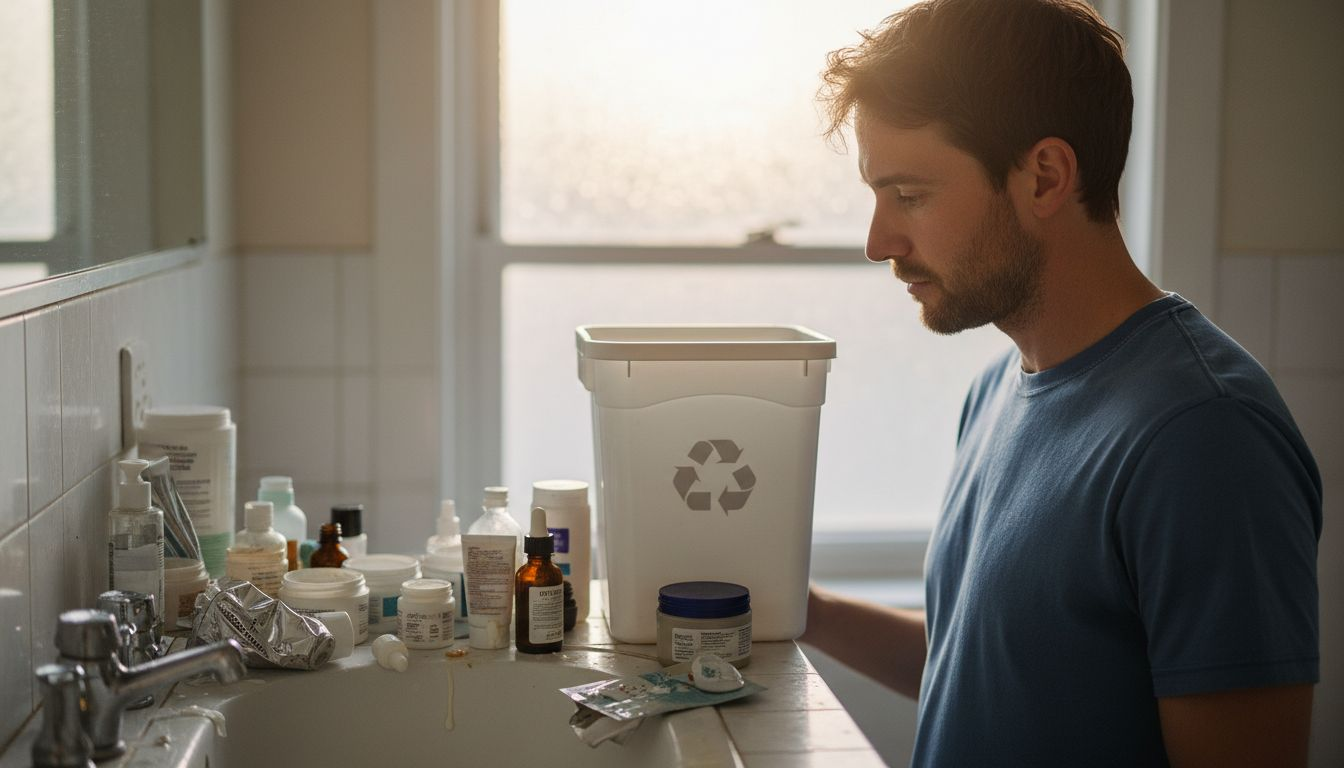
Skincare product waste manifests through multiple complex channels, creating significant environmental challenges for consumers and manufacturers alike. From half-empty bottles languishing in bathroom cabinets to improperly disposed packaging, waste accumulation happens through several interconnected pathways. Cosmetic industry waste sources include packaging waste, ingredient waste, and manufacturing by-products that contribute to an increasingly problematic ecological footprint.
Product expiration represents a primary source of waste that often goes unnoticed by consumers. Skincare items typically have limited shelf lives, with many products becoming ineffective or potentially harmful after opening. Serums, creams, and specialized treatments frequently expire before complete usage, leading to premature disposal. Factors like improper storage, inconsistent application routines, and purchasing products beyond personal consumption needs accelerate this waste generation process.
Packaging design plays a crucial role in waste generation. Many skincare containers are intentionally designed with complex shapes and materials that make complete product extraction challenging. Pump dispensers and narrow-necked bottles can trap significant product quantities, rendering substantial amounts of expensive skincare formulations effectively inaccessible. Some containers retain up to 10-25% of their original contents, representing not just environmental waste but also direct economic loss for consumers who inadvertently discard usable product.
Here’s a summary of common sources and impacts of skincare product waste:
| Waste Source | How It Occurs | Environmental Impact |
|---|---|---|
| Unfinished Products | Discarded before full use | Increases chemical and packaging waste |
| Inefficient Packaging | Design traps leftover content | More landfill waste, higher costs |
| Product Expiration | Products spoil before full use | Generates hazardous waste |
| Manufacturing Byproducts | Production-derived chemical residues | Pollutes water and soil |
Pro tip: Photograph your skincare product collection every six months and audit unused or near-expiration items to minimize future waste and optimize your purchasing habits.
Sustainable Packaging and Circular Solutions
The beauty industry stands at a critical juncture where sustainable packaging requires a comprehensive shift towards circular design, balancing functional requirements with environmental responsibility. Traditional packaging models have long prioritized convenience over ecological impact, creating a systemic waste problem that demands innovative solutions. By reimagining packaging as a resource rather than a disposable element, brands can dramatically reduce their environmental footprint.
Upcycling represents a transformative approach to sustainable packaging, turning potential waste into valuable resources. The process involves repurposing materials and by-products that would typically be discarded, creating new value streams within the cosmetics industry. Upcycling practices can include converting agro-food industry waste into bioactive cosmetic compounds and repurposing post-consumer plastics, demonstrating how circular economy principles can be practically implemented in skincare product development.
Consumer education and engagement are crucial in driving sustainable packaging adoption. Brands must not only develop innovative packaging solutions but also communicate their environmental benefits effectively. This includes transparent labeling, clear recycling instructions, and demonstrating the tangible environmental impact of choosing sustainable packaging options. Strategies like refillable containers, biodegradable materials, and minimalist packaging design can significantly reduce waste while maintaining product quality and consumer satisfaction.
Pro tip: Research local recycling guidelines for beauty product packaging and create a dedicated recycling station in your home to ensure proper disposal of skincare containers.
Refillable, Reusable, and Upcycled Options
The evolution of sustainable skincare packaging centers on innovative solutions that dramatically reduce environmental impact. Refillable and reusable packaging strategies are gaining significant momentum as effective approaches to minimizing cosmetic waste, offering consumers practical alternatives to traditional single-use containers. These approaches transform how we think about product packaging, moving from a disposable mindset to a circular economy model.
Reusable packaging systems offer multiple benefits beyond waste reduction. Consumers can now purchase high-quality, durable containers designed for repeated use, with brands providing refill options that significantly decrease packaging materials. Glass, aluminum, and specially engineered plastics have emerged as preferred materials, offering durability, aesthetic appeal, and easier recycling potential. Some innovative brands have developed modular packaging systems where consumers keep a primary container and simply purchase lightweight, minimal refill pouches that use substantially less material.
Upcycling represents another critical strategy in sustainable skincare packaging. This approach transforms potential waste into valuable resources, creating closed-loop systems that reimagine packaging’s entire lifecycle. Brands are exploring creative solutions like converting post-consumer plastics into new packaging, developing biodegradable containers from plant-based materials, and designing packaging that can be easily repurposed or composted. By implementing these circular design principles, skincare companies can dramatically reduce their environmental footprint while offering consumers more environmentally responsible choices.
Compare popular sustainable skincare packaging strategies:
| Approach | Key Benefit | Common Materials | Consumer Action Needed |
|---|---|---|---|
| Refillable | Reduces single-use waste | Glass, aluminum, plastics | Purchase refills, clean containers |
| Reusable | Durable and long lifespan | Glass, metal | Reuse and maintain regularly |
| Upcycled | Converts waste into products | Post-consumer plastics, plant waste | Support brands using upcycled content |
Pro tip: Invest in a few high-quality, refillable containers and prioritize brands offering convenient refill programs to minimize your personal skincare packaging waste.
Simplifying and Customizing Your Routine
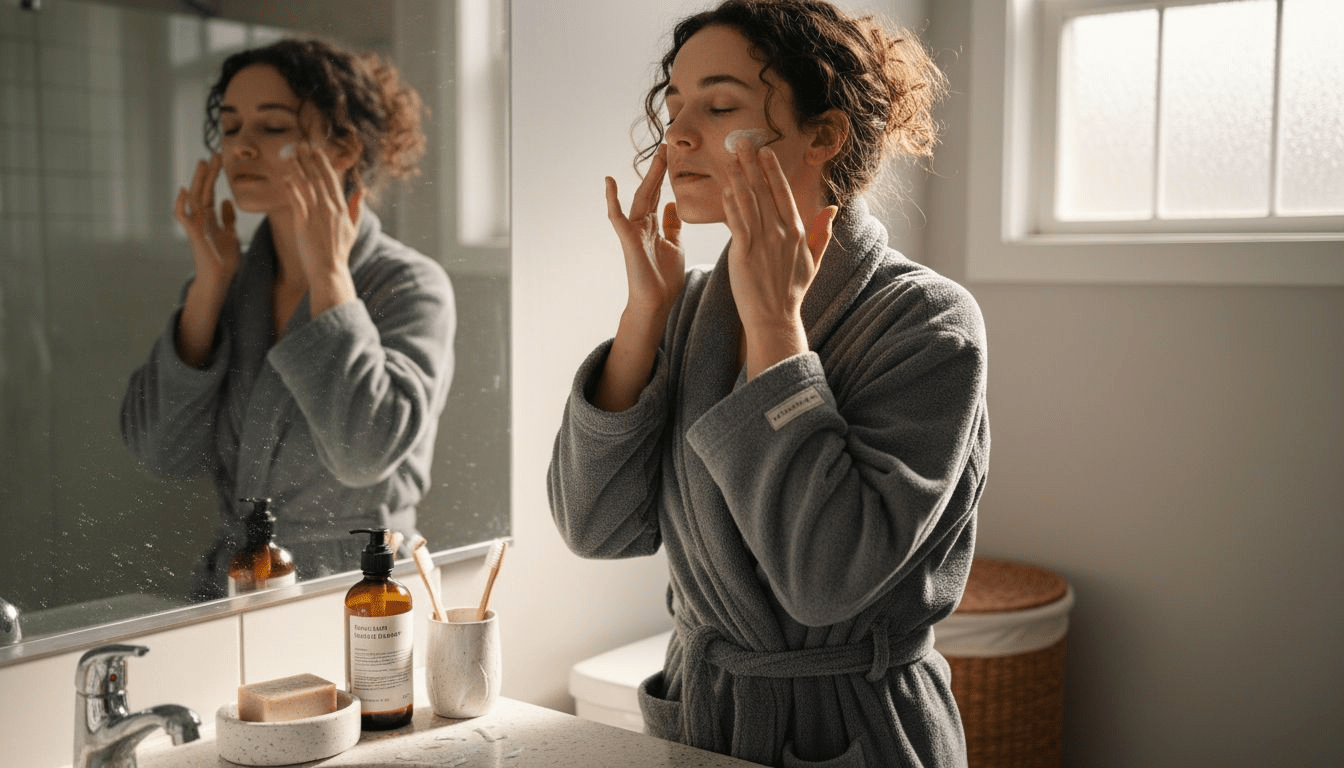
Simplifying skincare routines by reducing product quantity and using multi-tasking formulations represents a powerful strategy for minimizing environmental waste while maintaining effective skin health. By focusing on essential, high-performance products that address multiple skin concerns simultaneously, consumers can dramatically reduce their skincare product footprint. This approach challenges the traditional idea that more products equate to better skincare, instead prioritizing quality, efficiency, and intentional consumption.
Personalization emerges as a key principle in sustainable skincare management. Sustainable skincare increasingly integrates biotechnological innovations with personalized routine optimization, allowing individuals to create targeted skincare approaches that minimize unnecessary product acquisition. Advanced technologies like AI-driven skin analysis and personalized recommendation systems help consumers identify precisely what their unique skin requires, eliminating the tendency to purchase redundant or ineffective products that often end up discarded.
Customizing a routine requires understanding personal skin needs and being honest about product effectiveness. This means conducting periodic skin assessments, tracking product performance, and being willing to eliminate items that do not deliver tangible results. Effective customization involves selecting versatile, multi-purpose products that can replace multiple single-function items, reducing overall product volume and potential waste. Factors like skin type, environmental conditions, age, and specific concerns should guide product selection, ensuring a lean yet comprehensive skincare approach.
Pro tip: Conduct a monthly skincare inventory audit, removing products that have expired or remain unused for more than three months to prevent unnecessary accumulation.
DIY, Upcycling, and Recycling Strategies
Upcycling provides innovative pathways to transform cosmetic and food industry waste into valuable ingredients, creating a powerful approach to circular beauty practices. By reimagining waste as a resource, consumers and brands can dramatically reduce environmental impact while fostering creativity and sustainability. This strategy goes beyond traditional recycling, focusing on transforming potential waste materials into new, useful products that extend their lifecycle and minimize overall consumption.
Do-it-yourself (DIY) skincare strategies offer another compelling avenue for waste reduction. Home-based solutions allow individuals to create personalized skincare products using natural, locally sourced ingredients, eliminating excessive packaging and transportation emissions. Simple recipes utilizing kitchen ingredients like honey, oatmeal, avocado, and essential oils can replace multiple commercial products, reducing both plastic waste and unnecessary chemical consumption. Circular beauty approaches extend beyond packaging to include creative ingredient reuse and by-product valorization, empowering consumers to take an active role in sustainable personal care.
Recycling requires more than simply sorting containers. Effective recycling involves understanding local guidelines, cleaning containers thoroughly, and supporting brands with robust recycling programs. Some skincare companies now offer take-back initiatives where consumers can return empty packaging for proper processing, while others design packaging specifically for easy recycling. Advanced recycling technologies can transform complex cosmetic containers into new materials, creating a closed-loop system that minimizes virgin material consumption.
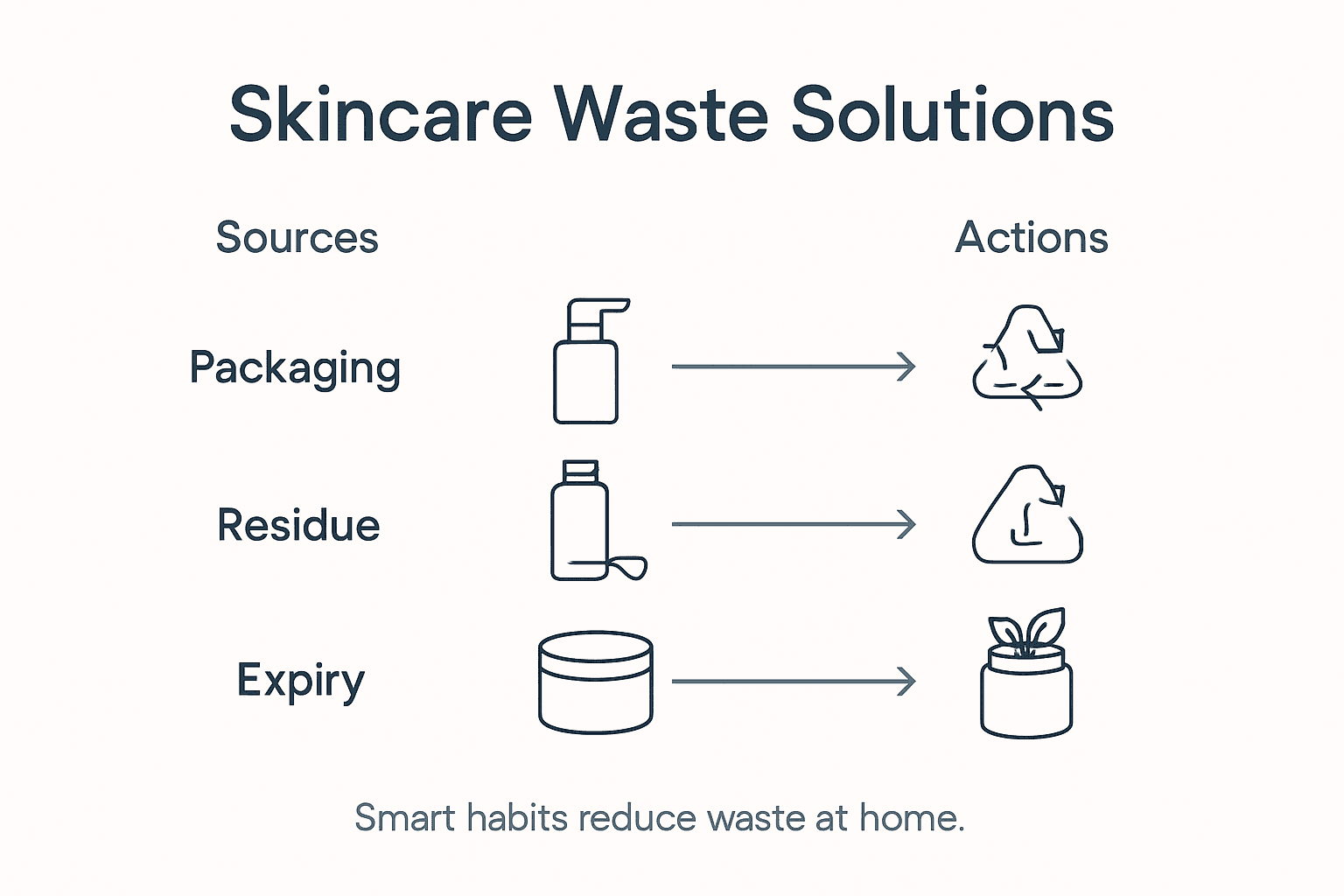
Pro tip: Create a dedicated recycling station for beauty products with clear sorting guidelines and periodic cleaning to ensure proper material recovery.
Take Control of Skincare Waste with Thoughtful Choices
Reducing skincare waste is more than a trend. It is a vital step toward protecting our environment and embracing sustainable beauty. The article highlights key challenges such as inefficient packaging, unfinished products, and product expiration that contribute to excessive waste and ecological harm. If you are frustrated by product leftovers trapped in bottles or overwhelmed by complex routines that lead to unused items, it is time to simplify and innovate.
At GNS Beauty & Personal Care, we understand your goals for a cleaner, greener skincare routine. Explore our curated collection of eco-conscious and refillable personal care essentials designed to minimize waste without compromising luxury or effectiveness. Our thoughtfully selected products help you build a more sustainable routine that supports your skin and the planet.
Ready to make a change today Grab your sustainable skincare must-haves and simplify your self-care ritual with easy-to-use, refillable, and reusable solutions. Visit GNS Beauty & Personal Care now to shop premium products that align with your desire for less waste and more impact. Take the next step toward responsible beauty and start reducing your skincare footprint with smarter choices.
Frequently Asked Questions
How can I track my skincare waste effectively?
Start tracking your personal skincare waste by maintaining a simple log of products you use completely versus those discarded with remaining contents. This practice will help you make more sustainable purchasing decisions.
What are some common sources of skincare product waste?
Common sources of skincare product waste include unfinished products, inefficient packaging that retains leftover content, products expiring before full usage, and manufacturing byproducts.
How can I simplify my skincare routine to reduce waste?
To simplify your skincare routine, focus on essential, multi-tasking products that address multiple skin concerns simultaneously. This approach minimizes the number of products you use, reducing overall waste.
What are the benefits of using refillable and upcycled packaging for skincare products?
Refillable packaging reduces single-use waste and encourages the purchase of refills rather than new containers. Upcycled packaging transforms waste materials into new products, promoting sustainability and a closed-loop system in skincare practices.






Hinterlasse einen Kommentar
Alle Kommentare werden vor der Veröffentlichung geprüft.
Diese Website ist durch hCaptcha geschützt und es gelten die allgemeinen Geschäftsbedingungen und Datenschutzbestimmungen von hCaptcha.