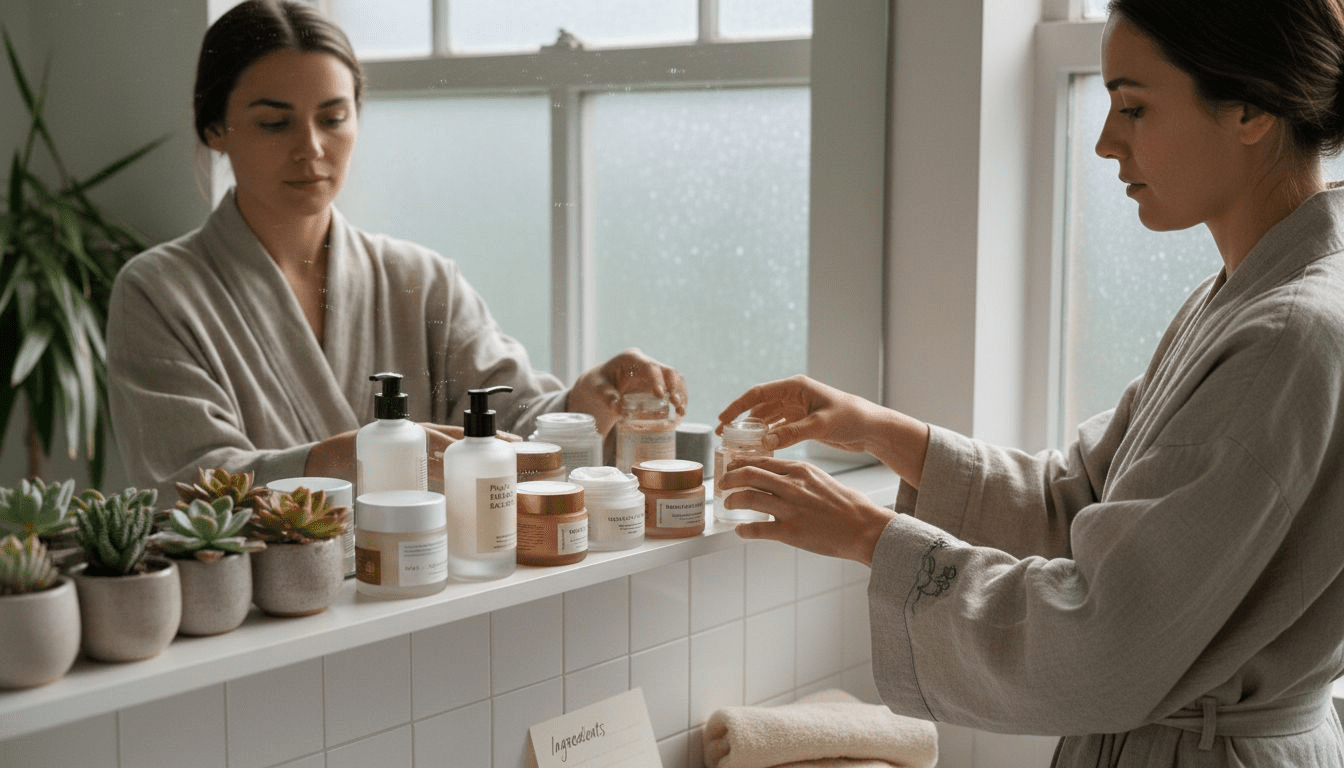
Sorting through endless beauty product labels can leave anyone confused about what truly supports a healthy, eco-friendly lifestyle. With more brands shifting toward clean ingredients, the promise extends beyond skin-deep benefits to include safer, sustainably sourced components. Science-backed definitions and international standards like ISO 16128 help clarify which products align with transparent, ethical values. You’ll discover how clean ingredients make a real difference for your skin and the planet.
Table of Contents
- Defining Clean Ingredients In Beauty Products
- Key Types Of Clean Ingredients And Their Benefits
- How Clean Ingredients Work In Skincare Routines
- Industry Standards And Global Ingredient Regulations
- Risks, Common Misconceptions, And What To Avoid
Key Takeaways
| Point | Details |
|---|---|
| Clean Ingredients Emphasis | The beauty industry is moving towards clean ingredients that prioritize natural, sustainable, and safe formulations. |
| Health and Safety Considerations | Consumers should focus on products with transparent ingredient lists and avoid misleading claims about safety. |
| Global Regulatory Standards | Understanding ingredient regulations across regions helps ensure product safety and ethical sourcing. |
| Informed Decision-Making | Research ingredients independently and seek products with third-party certifications to validate clean ingredients. |
Defining Clean Ingredients in Beauty Products
The beauty industry is experiencing a significant transformation with the rise of clean ingredients, shifting from traditional synthetic formulations to more natural, sustainable alternatives. Cosmetic industry research indicates this change stems from growing consumer awareness about health, environmental impact, and product transparency.
Clean ingredients represent a holistic approach to personal care, defined by their safe, ethical, and environmentally conscious origins. These components are carefully selected to minimize potential health risks while maximizing product performance. Global standards like ISO 16128 provide clear guidelines for categorizing ingredients based on their natural and organic composition, ensuring manufacturers meet rigorous quality benchmarks.
Key characteristics of clean beauty ingredients typically include:
- Plant-based and naturally derived origins
- Minimal processing and extraction methods
- Absence of potentially harmful synthetic chemicals
- Sustainable and environmentally friendly sourcing
- Transparent production and supply chain practices
Pro Tip: When evaluating beauty products, read ingredient lists carefully and prioritize items with recognizable, naturally sourced components that align with clean beauty principles.
Here is a summary comparing clean and conventional beauty ingredients:
| Aspect | Clean Ingredients | Conventional Ingredients |
|---|---|---|
| Source | Plant-based and natural | Synthetic and artificial |
| Safety Focus | Minimizes health risks | May include restricted chemicals |
| Environmental Impact | Sustainable sourcing | Possible ecological concerns |
| Transparency | Full disclosure and certifications | Often limited disclosure |
Key Types of Clean Ingredients and Their Benefits
Beauty products are increasingly embracing botanical ingredients as a cornerstone of clean beauty formulations. Botanical ingredients offer a natural approach to skincare, providing powerful antioxidants, essential vitamins, and skin-nourishing compounds that support holistic wellness without relying on synthetic chemicals.
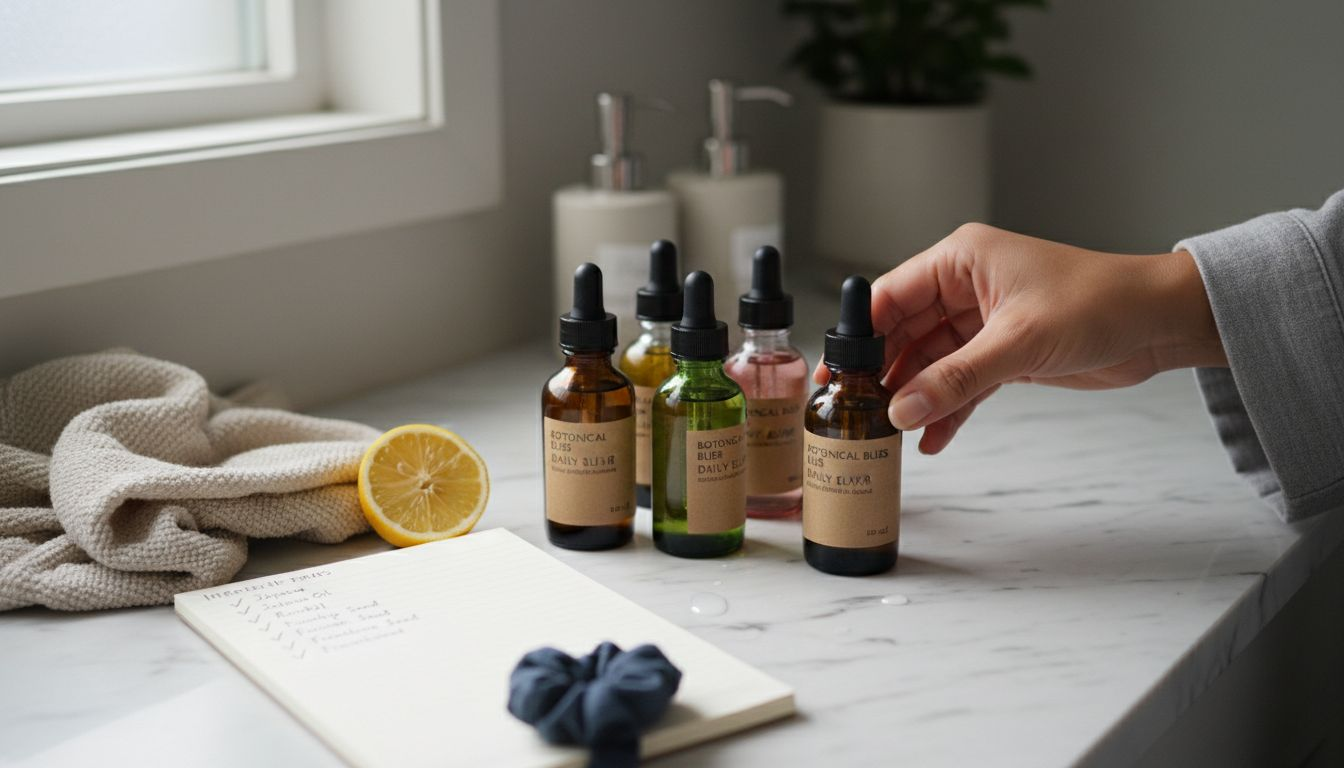
The spectrum of clean ingredients encompasses several key categories that prioritize human and environmental health. Plant-based extracts, essential oils, and naturally derived compounds form the foundation of these ingredients. Safer chemical ingredients are carefully selected to meet rigorous safety standards, focusing on components that are biodegradable, non-toxic, and sustainably sourced.
Key types of clean ingredients include:
- Botanical Extracts: Such as green tea, chamomile, and aloe vera
- Natural Oils: Jojoba, argan, and coconut oils
- Plant-Based Antioxidants: Vitamins C and E from natural sources
- Mineral-Based Components: Natural minerals like zinc and titanium
- Fermented Ingredients: Probiotics and enzyme-based extracts
Pro Tip: When selecting clean beauty products, look for ingredients with transparent sourcing and third-party certifications that validate their natural and sustainable origins.
How Clean Ingredients Work in Skincare Routines
Clean ingredients transform skincare by delivering targeted nutrition and protection through natural, biologically compatible compounds. Natural cosmetics support skin’s physiology by providing essential nutrients that work harmoniously with the body’s own healing and regenerative processes, unlike synthetic alternatives that may disrupt skin balance.
The mechanism of clean ingredients involves deeply nourishing and supporting skin health at the cellular level. Bioactive compounds interact with skin cells to reduce inflammation, enhance hydration, and promote natural repair processes. This approach differs from traditional skincare by focusing on gentle, non-invasive ingredients that strengthen the skin’s natural protective barriers.
Key functions of clean ingredients in skincare routines include:
- Delivering concentrated antioxidants
- Supporting natural skin regeneration
- Reducing inflammation and irritation
- Balancing skin microbiome
- Providing long-term nutritional support
- Protecting against environmental stressors
Pro Tip: Introduce clean ingredients gradually into your skincare routine, allowing your skin time to adapt and respond to the natural, nutrient-rich formulations.
Industry Standards and Global Ingredient Regulations
The beauty and personal care industry operates under increasingly complex global regulatory frameworks designed to protect consumer health and ensure ingredient transparency. International standards for cosmetic ingredients have become critical in establishing consistent guidelines that transcend national boundaries, creating a unified approach to product safety and ingredient classification.
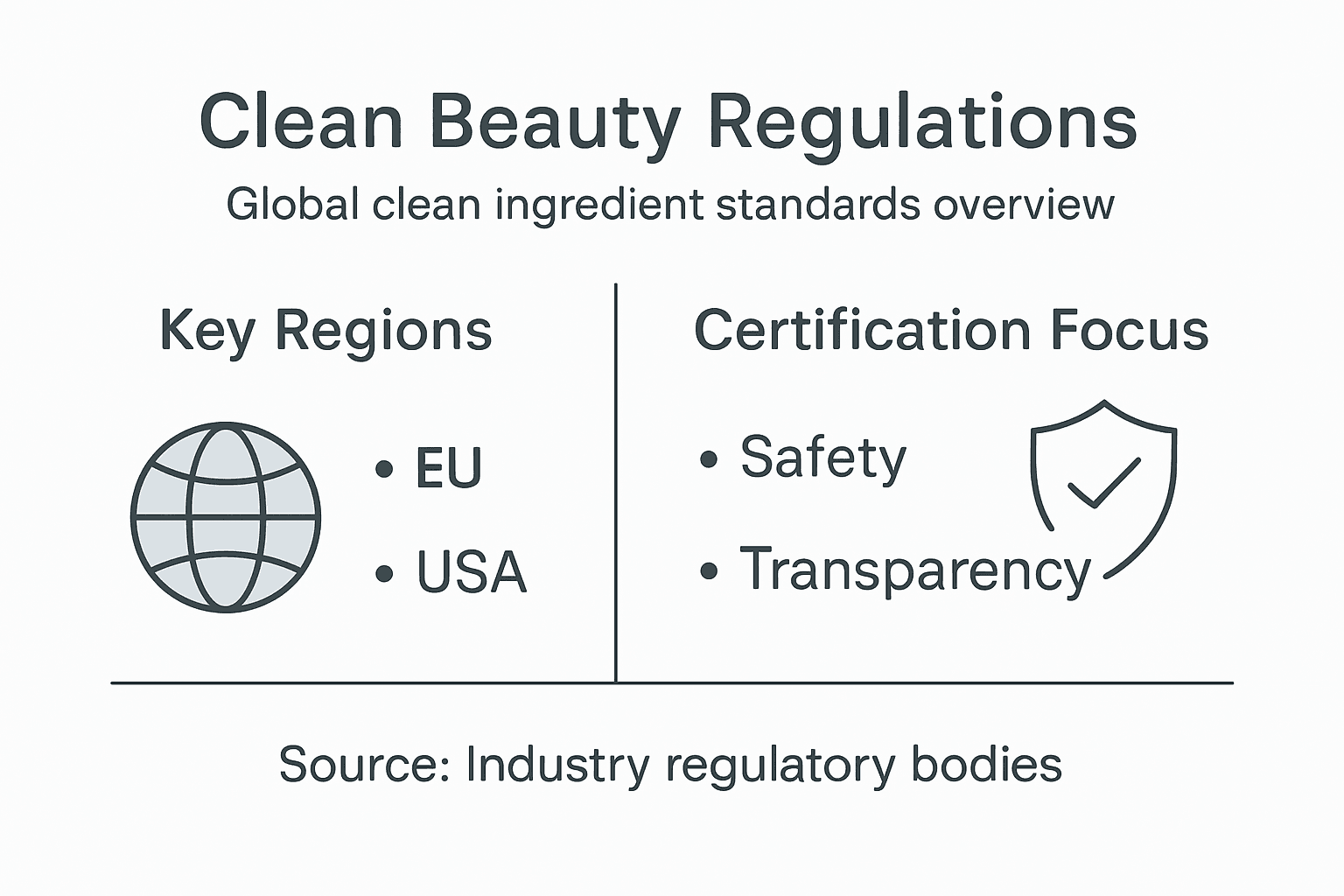
In the United States, federal regulations govern cosmetic ingredient safety through comprehensive oversight mechanisms. While the Food and Drug Administration does not require premarket approval for most cosmetic products, they maintain strict protocols for ingredient documentation, labeling requirements, and potential restrictions on harmful substances.
Key aspects of global ingredient regulations include:
- Mandatory ingredient listing
- Restrictions on potentially harmful chemicals
- Transparency in sourcing and production
- Comprehensive safety testing protocols
- International harmonization of ingredient standards
- Consumer protection through rigorous screening
Pro Tip: Always review the ingredient list and look for products with clear, scientifically validated clean ingredient certifications from recognized international bodies.
Below is a reference table illustrating global clean beauty regulations:
| Region | Regulatory Body | Key Focus | Certification Example |
|---|---|---|---|
| United States | FDA | Ingredient safety | USDA Organic |
| European Union | European Commission | Banned substances | COSMOS Natural |
| International | ISO Standards | Ingredient sourcing | ISO 16128 |
| Japan | Ministry of Health | Safety protocols | JAS Organic |
Risks, Common Misconceptions, and What to Avoid
The beauty industry is riddled with misleading claims that can compromise consumer understanding of ingredient safety. Cosmetic ingredient safety assessments reveal that not all natural ingredients are inherently safe, and not all synthetic ingredients are harmful, challenging popular misconceptions about product composition.
Restricted ingredient lists highlight critical concerns in personal care products. Consumers must be vigilant about potentially dangerous compounds that can lurk in seemingly innocent formulations, including undisclosed fragrance chemicals, certain parabens, and phthalates that may pose long-term health risks.
Common misconceptions about clean ingredients include:
- All natural ingredients are completely safe
- Synthetic ingredients are always harmful
- ‘Clean’ labels guarantee product safety
- Organic automatically means non-toxic
- Marketing claims represent scientific validation
- Price correlates directly with ingredient quality
Pro Tip: Always research ingredients independently, consult scientific databases, and look for third-party certifications that validate product safety beyond marketing claims.
Embrace Clean Ingredients for Lasting Wellness and Radiance
Your wellness depends on trusting beauty products with clean ingredients that nourish your skin without compromise. The article highlights the challenge of navigating misleading claims and the importance of choosing formulations with plant-based, sustainably sourced components. These carefully selected ingredients support natural skin regeneration, reduce irritation, and protect your health. If you want to avoid hidden toxins and embrace truly transparent personal care products you can trust, a mindful shift to clean beauty is essential.
Discover how GNS Beauty & Personal Care can support your clean beauty journey with a curated collection of high-quality, eco-conscious products designed for wellness-savvy adults. Our platform offers transparency, top-tier ingredient standards, and a user-friendly shopping experience tailored to your self-care goals.
Take the first step now to enhance your routine with clean ingredients proven to promote natural beauty and confidence. Explore our range at GNS Beauty & Personal Care to find skincare essentials that align with the strict safety protocols and sustainable sourcing practices discussed in the article. Learn more about the benefits of clean formulations and shop today to experience wellness you can see and feel.
Frequently Asked Questions
What are clean ingredients in beauty products?
Clean ingredients in beauty products refer to components that are safe, ethical, and environmentally conscious, typically derived from plant-based sources and free of harmful synthetic chemicals. They prioritize product performance while minimizing health risks.
How can I identify clean ingredients in beauty products?
To identify clean ingredients, read the ingredient lists carefully, look for recognizable, naturally sourced components, and prioritize products with transparent sourcing practices and third-party certifications that validate their clean beauty claims.
Are all natural ingredients safe for the skin?
Not all natural ingredients are inherently safe. It’s essential to research specific ingredients to ensure they do not pose health risks. Consulting scientific databases and looking for third-party certifications can provide clarity on ingredient safety.
How do clean ingredients work in skincare routines?
Clean ingredients support skin health by delivering essential nutrients that align with the body’s natural processes, reducing inflammation, enhancing hydration, and protecting against environmental stressors without disrupting the skin’s balance.
Recommended
- Benefits of Clean Ingredients for Modern Beauty
- How to Choose Clean Beauty Products Naturally for Wellness
- How to Choose Clean Beauty Naturally for Better Wellness
- How to Select Wellness Accessories for Confident Self-Care
- What Is a Haircare Ritual? Benefits for Modern Lifestyles – LUXEVA
- Organic Hair Conditioner: Everything You Need to Know | MyHair







Hinterlasse einen Kommentar
Alle Kommentare werden vor der Veröffentlichung geprüft.
Diese Website ist durch hCaptcha geschützt und es gelten die allgemeinen Geschäftsbedingungen und Datenschutzbestimmungen von hCaptcha.