
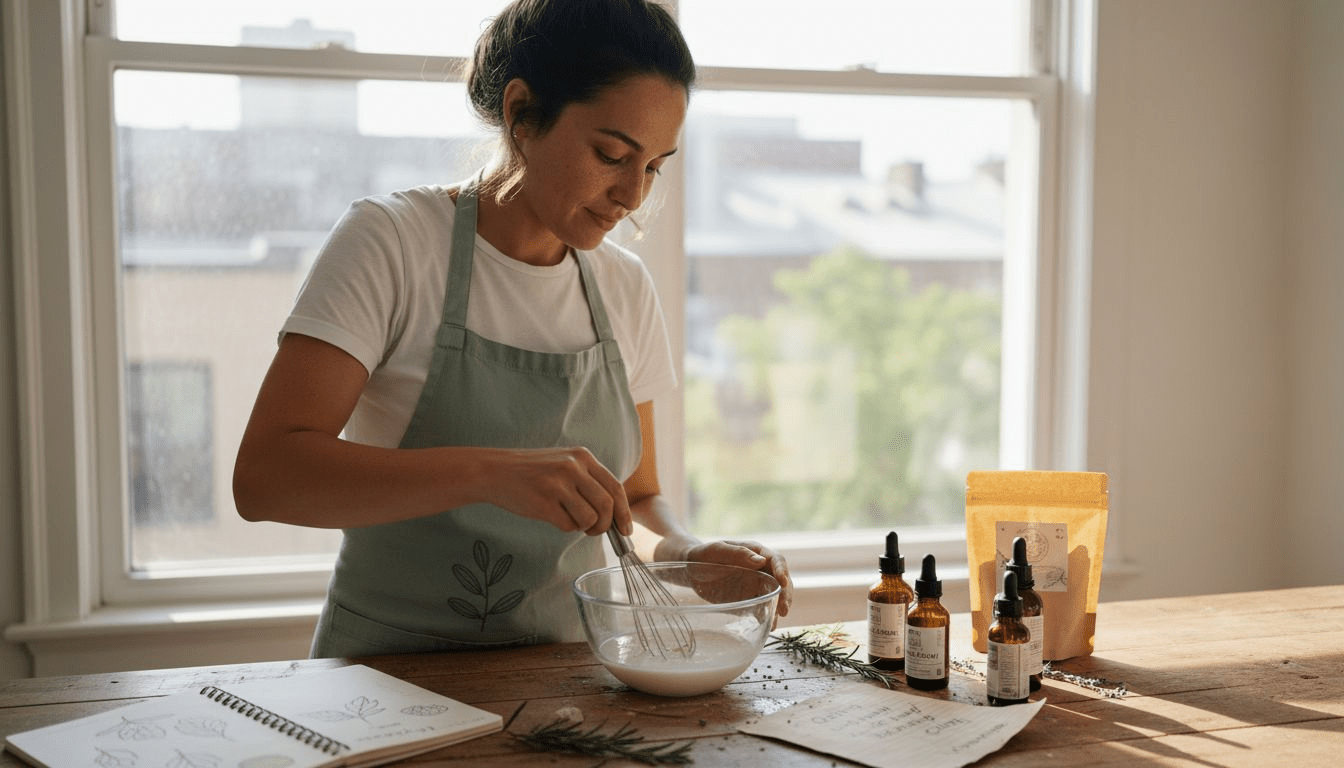
Every year, an estimated 120 billion units of packaging from the beauty industry end up in landfills worldwide. Many eco-conscious Millennials and Gen Z consumers are now turning to homemade skincare routines, inspired by the growing popularity of American trends in clean beauty. Choosing sustainable ingredients and mindful preparation methods not only supports a greener planet but also empowers you to craft effective, planet-friendly products to elevate your self-care ritual.
Table of Contents
- Step 1: Gather Sustainable Ingredients and Eco-Friendly Tools
- Step 2: Create Custom Blends Based on Skin Type
- Step 3: Mix and Prepare Natural Formulas Safely
- Step 4: Test Skin Care Products for Purity and Effectiveness
- Step 5: Store and Apply Homemade Skincare Properly
Quick Summary
| Key Insight | Explanation |
|---|---|
| 1. Use Sustainable Ingredients | Select organic, locally sourced ingredients to minimize environmental impact while nurturing your skin. |
| 2. Understand Your Skin Type | Identify your skin type and choose specific ingredients that address your unique skincare needs. |
| 3. Prioritize Safe Mixing Practices | Sterilize tools, measure accurately, and understand ingredient interactions to ensure product safety. |
| 4. Conduct Patch Testing | Always perform patch tests prior to full application to monitor for potential irritation or reactions. |
| 5. Store Products Properly | Use airtight, dark glass containers and keep products in cool, dry places to extend shelf life. |
Step 1: Gather Sustainable Ingredients and Eco-Friendly Tools
When creating homemade skincare, selecting the right sustainable ingredients and tools is crucial for crafting natural products that nurture your skin while minimizing environmental impact. Sustainable cosmetic ingredients are transforming how we approach personal care, offering innovative alternatives that protect both our skin and the planet.
Start by sourcing organic, locally grown botanical ingredients like herbs, flowers, and plant extracts. Look for suppliers who prioritize ethical harvesting and minimal processing. Great options include organic aloe vera, chamomile, lavender, and rosehip oil. Select glass containers for storage, bamboo tools for mixing, and reusable cloth strainers instead of single-use plastics. These eco-friendly packaging solutions dramatically reduce waste while ensuring your homemade skincare remains pure and uncontaminated.
When gathering your tools, prioritize multipurpose items that reduce clutter and environmental footprint. A ceramic mortar and pestle, stainless steel mixing bowls, wooden spatulas, and clean mason jars are perfect for creating your natural skincare products. Consider investing in a small digital scale for precise measurements and opt for sustainable materials whenever possible.
Pro Tip: Keep a dedicated set of clean, sanitized tools exclusively for your homemade skincare preparations to maintain hygiene and prevent cross-contamination.
Step 2: Create Custom Blends Based on Skin Type
Crafting personalized skincare blends requires understanding your unique skin characteristics and selecting ingredients that address your specific needs. Advanced skincare classification systems have revolutionized how we approach creating targeted skincare solutions that work perfectly for individual skin types.
Begin by determining your precise skin type through careful observation and assessment. Identify whether your skin is oily, dry, combination, sensitive, or normal. For oily skin, focus on ingredients like witch hazel and clay that help control excess sebum. Dry skin benefits from hydrating components such as hyaluronic acid, aloe vera, and nourishing plant oils. Combination skin requires a balanced approach with lighter oils and gentle botanical extracts that can regulate different skin zones without causing irritation.
To create your custom blend, start with a base carrier oil that matches your skin type. For instance, jojoba oil works well for most skin types, while grapeseed oil is excellent for oily or acne prone skin. Gradually add targeted skincare AI recommendations through carefully selected essential oils and botanical extracts that address your specific skin concerns. Always perform a patch test and introduce new ingredients slowly to ensure compatibility and prevent potential allergic reactions.
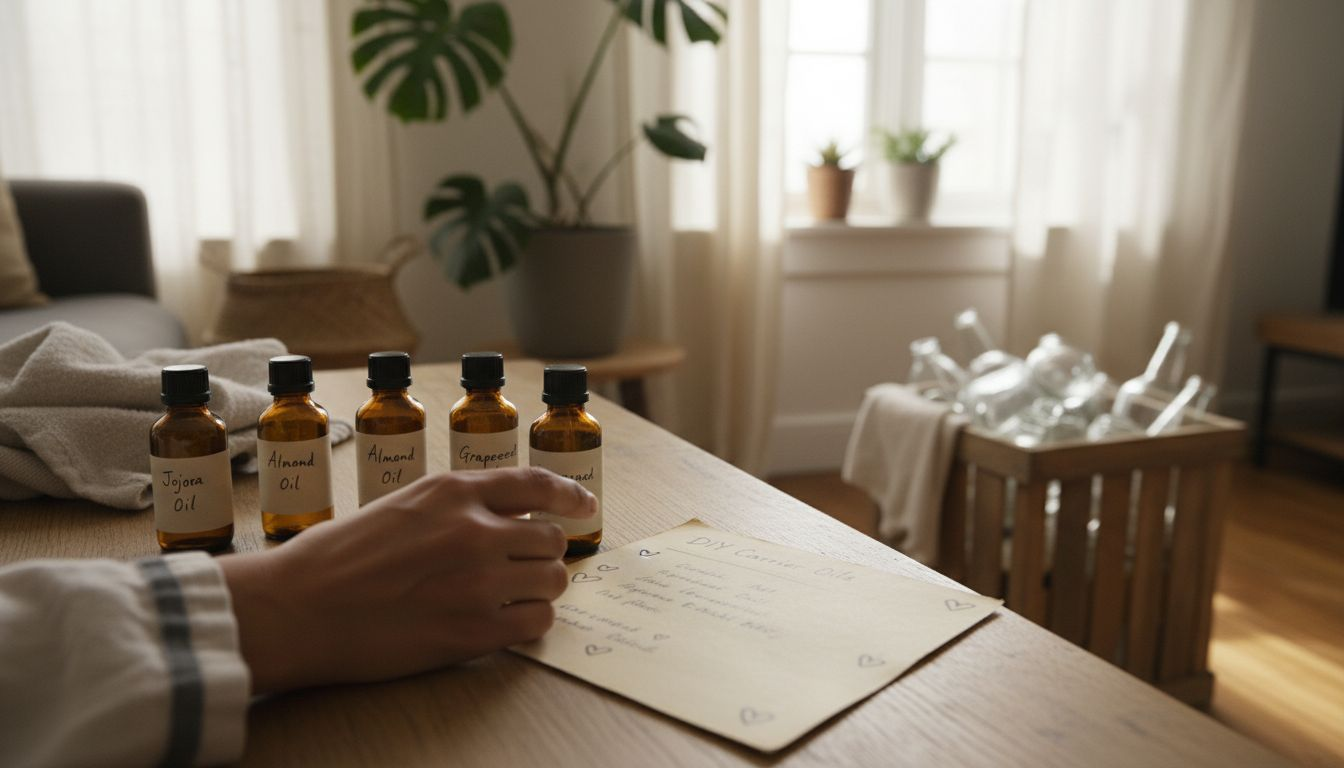
Pro Tip: Keep a detailed journal tracking your skin’s response to different ingredient combinations to refine your personalized skincare blend over time.
Here’s a quick reference to common skin types and ideal natural ingredients for each:
| Skin Type | Key Characteristics | Best Natural Ingredients |
|---|---|---|
| Oily | Shiny, enlarged pores | Witch hazel, clay, grapeseed oil |
| Dry | Flaky, tight feeling | Aloe vera, shea butter, avocado oil |
| Combination | Oily T-zone, dry cheeks | Jojoba oil, chamomile, rosewater |
| Sensitive | Red, reactive, itchy | Calendula, oat, rosehip oil |
| Normal | Even texture, few issues | Almond oil, hyaluronic acid, lavender |
Step 3: Mix and Prepare Natural Formulas Safely
Creating safe and effective homemade skincare requires meticulous attention to detail and understanding the fundamental principles of natural ingredient preparation. Natural cosmetic ingredient safety involves comprehensive hazard analyses and careful consideration of potential chemical interactions that could compromise your skincare product’s quality and effectiveness.
Begin by sterilizing all your tools and workspace thoroughly. Use 70% isopropyl alcohol to clean surfaces and equipment, ensuring you eliminate potential bacteria or contaminants. When measuring ingredients, use clean digital scales with precision to the gram. Select high quality cold pressed oils and organic botanical extracts that are free from synthetic preservatives. Natural cosmetic formulation practices emphasize the importance of maintaining appropriate pH levels and understanding how different ingredients interact chemically.
Pay special attention to your mixing technique. Always add liquid ingredients gradually, stirring consistently to create a smooth emulsion. Use glass or stainless steel containers that do not react with essential oils, and work in small batches to maintain freshness. Store your homemade formulas in dark glass containers away from direct sunlight and heat to preserve their potency and prevent oxidation. Remember that natural ingredients have shorter shelf lives compared to commercial products, so create small quantities that you can use within a few weeks.
Pro Tip: Label each batch with the ingredients and date of preparation to track effectiveness and monitor potential allergic reactions.
Step 4: Test Skin Care Products for Purity and Effectiveness
Evaluating homemade skincare products requires a systematic approach to ensure safety, quality, and optimal performance for your unique skin needs. Scientific evaluation of natural ingredients reveals critical methods for assessing the potential benefits and potential risks of your carefully crafted skincare formulations.
Start by conducting a comprehensive patch test before full application. Apply a small amount of your homemade product to a discreet area like the inner forearm and monitor the site for 24 to 48 hours. Watch for any signs of irritation including redness, itching, swelling, or burning sensations. Additionally, examine the product’s visual characteristics such as color consistency, texture, and separation of ingredients. Essential oil efficacy studies highlight the importance of understanding how different natural components interact and perform on various skin types.
Document your findings meticulously. Create a detailed log that tracks the product’s performance including application experience, skin reaction, moisturization levels, and any observable changes in skin texture or appearance. Consider factors like absorption rate, scent stability, and how the product feels throughout the day. Take clear photographs of your skin before and after use to objectively track potential improvements or adverse reactions.
Pro Tip: Perform testing during a period when your skin is calm and free from other product interactions to ensure the most accurate assessment of your homemade skincare formula.
Step 5: Store and Apply Homemade Skincare Properly
Successfully preserving your handcrafted skincare requires strategic storage methods and careful application techniques to maintain product integrity and effectiveness. Homemade beauty product storage demands meticulous attention to prevent contamination and preserve the delicate natural ingredients you have carefully selected.
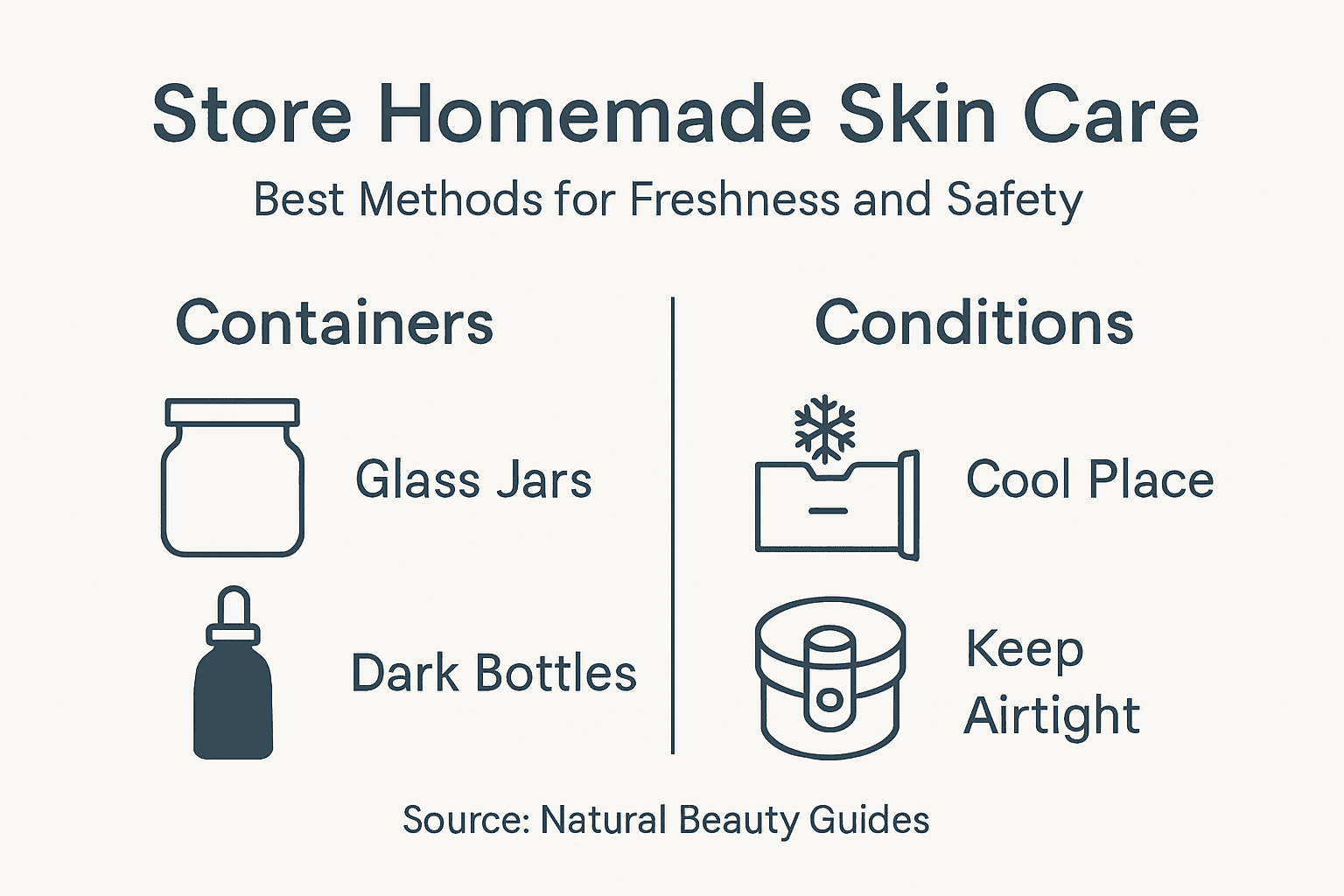
Choose high quality glass containers with airtight seals to protect your homemade skincare formulations. Dark amber or cobalt blue glass works best to shield sensitive ingredients from light degradation. Store these containers in cool environments away from direct sunlight or heat sources like bathrooms or kitchen counters. Natural skincare preservation techniques recommend keeping products between 50 and 70 degrees Fahrenheit to maximize their shelf life and maintain active ingredient potency.
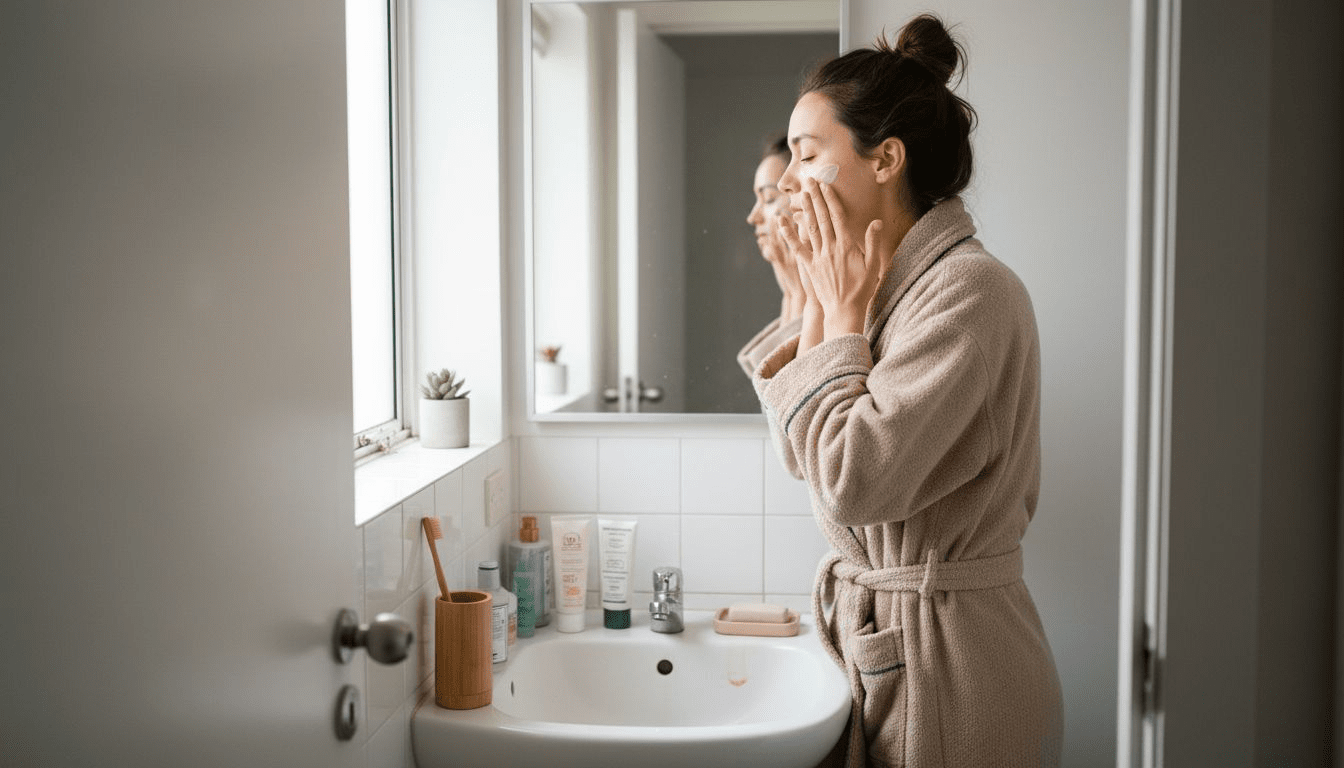
When applying your homemade skincare, always use clean hands or disposable applicators to prevent bacterial introduction. Wash your hands thoroughly and consider using a small cosmetic spatula to extract products from containers. Apply products using gentle upward motions, avoiding excessive rubbing that could irritate the skin. Keep track of your product’s creation date and aim to use within 14 to 30 days for maximum freshness and effectiveness.
Pro Tip: Refrigerate water based products and those containing fresh botanical ingredients to extend their usable lifespan and maintain their therapeutic properties.
To ensure optimal safety and longevity, compare these homemade skincare storage strategies:
| Storage Method | Protects From | Shelf Life Impact |
|---|---|---|
| Dark glass container | Light degradation | Extends freshness |
| Airtight seal | Contamination | Preserves potency |
| Refrigeration | Heat, microbial growth | Lengthens use period |
| Cool, dry environment | Temperature swings | Maintains stability |
Elevate Your Natural Skincare Routine with Trusted, Sustainable Products
Creating homemade skincare naturally can be a rewarding journey but it also brings challenges like sourcing sustainable ingredients, ensuring safety in formulation, and preserving your blends effectively. If you want to avoid the guesswork while embracing eco-friendly beauty and crafting radiant skin safely you need access to premium, responsibly sourced products that align with your wellness goals.
Discover a curated selection of luxury skincare essentials designed to complement your DIY creations. From organic botanical oils and precise measuring tools to eco-conscious packaging options, GNS Beauty & Personal Care offers solutions that simplify your self-care ritual while protecting your skin and the planet.
Transform your homemade skincare into glowing, healthy results by exploring quality ingredients and tools tailored for every skin type at GNS Beauty. Start enhancing your natural beauty today with trusted products that support your personalized routine—shop now and take control of your skin’s future with confidence.
Frequently Asked Questions
What ingredients should I use for homemade skin care for glowing skin?
To achieve glowing skin, focus on sustainable, organic ingredients. Select items like aloe vera for hydration, rosehip oil for nourishment, and chamomile for soothing properties. Aim to combine these ingredients with a suitable carrier oil, like jojoba, for the best results.
How do I determine my skin type before making homemade skincare?
To create effective homemade skincare, start by identifying your skin type, which can be oily, dry, combination, sensitive, or normal. Observe your skin’s characteristics and choose ingredients tailored to your needs, such as witch hazel for oily skin or shea butter for dry skin. Assess your skin daily to refine your blends over time.
What is the best way to mix and prepare natural skincare formulas safely?
Begin by sterilizing all tools and ingredients to remove potential contaminants. Gradually add liquid ingredients while stirring to ensure a smooth emulsion, and work in small batches to maintain freshness. Aim to create products you can use within a few weeks to ensure effectiveness and prevent spoilage.
How can I test the effectiveness of my homemade skincare products?
Conduct a patch test by applying a small amount of the product on your inner forearm and observe for any reactions for 24 to 48 hours. Document your observations, including any irritation or changes in your skin. This will help you assess the product’s compatibility and effectiveness.
What is the best way to store homemade skincare products?
Use high-quality dark glass containers with airtight seals to store your homemade products, protecting them from light and contamination. Store them in a cool environment, away from direct sunlight or heat, and try to use them within 14 to 30 days for optimal freshness. This will help maintain the potency of natural ingredients in your formulations.
How do I apply my homemade skincare products correctly?
Always use clean hands or disposable applicators to prevent contamination during application. Use gentle, upward motions when applying products to avoid irritating the skin. Consider tracking the creation date to ensure you are using the freshest product possible, ideally within a few weeks.





Hinterlasse einen Kommentar
Alle Kommentare werden vor der Veröffentlichung geprüft.
Diese Website ist durch hCaptcha geschützt und es gelten die allgemeinen Geschäftsbedingungen und Datenschutzbestimmungen von hCaptcha.